
Moroccan Beet Salad is a colorful, refreshing, and flavorful side dish made with tender cooked beets, fresh herbs, olive oil, lemon juice, and aromatic Moroccan spices. Naturally sweet and beautifully vibrant, this traditional-style salad brings simple ingredients together to create a delicious addition to any meal.
Beets are especially delicious when combined with cumin, garlic, parsley, and fresh lemon juice. These ingredients balance the beets’ earthy sweetness while creating a bright, savory dressing that complements Moroccan cuisine.
Whether you serve it as part of a traditional Moroccan salad spread, alongside grilled meat or fish, or as a light lunch, this easy Moroccan Beet Salad is a wonderful way to enjoy fresh vegetables with bold Mediterranean and North African flavors.
What Is Moroccan Beet Salad?
Moroccan Beet Salad is a simple vegetable salad made with cooked beets and a dressing of olive oil, lemon juice, garlic, herbs, and spices. Depending on the household and region, it may be served with chopped parsley or cilantro, ground cumin, paprika, and sometimes a little vinegar.
The beets are usually boiled, steamed, or roasted until tender. After cooling, they are peeled, diced, or sliced, then tossed with the dressing so they can absorb all the flavors.
Unlike creamy beet salads made with mayonnaise, this Moroccan-inspired version relies on fresh herbs, citrus, and spices. The result is light, colorful, and full of flavor.
Moroccan beet salad is often served as part of a selection of small salads at lunch or dinner. It pairs especially well with grilled foods, tagines, couscous, and freshly baked Moroccan bread.
Why You’ll Love This Moroccan Beet Salad
- 🇲🇦 Inspired by traditional Moroccan salad culture
- ❤️ Made with simple, easy-to-find ingredients
- 🌿 Full of fresh parsley, cilantro, and aromatic spices
- 🍋 Bright and refreshing thanks to lemon juice
- 🥗 Naturally vegan and gluten-free
- 🥄 Easy to prepare ahead of time
- 🎨 Beautifully colorful and perfect for entertaining
- 🍽️ Delicious served cold or at room temperature
- ⏱️ Simple to prepare for everyday meals or special occasions

Ingredients
For the Beet Salad
600 g fresh beets, approximately 4 medium beets
2 tablespoons extra-virgin olive oil
1½ tablespoons fresh lemon juice
1 small garlic clove, finely minced
2 tablespoons fresh parsley, finely chopped
1 tablespoon fresh cilantro, finely chopped
½ teaspoon ground cumin
½ teaspoon sweet paprika
¼ teaspoon salt, or to taste
⅛ teaspoon freshly ground black pepper
1 teaspoon red wine vinegar, optional
1 tablespoon finely chopped preserved lemon, optional
For Garnishing
A little extra chopped parsley or cilantro
A light drizzle of olive oil
A small pinch of cumin or paprika
Lemon wedges, optional

Instructions
How to Make Moroccan Beet Salad
Prepare the Beets
First, wash the beets thoroughly under cold running water. Trim the stems and roots if necessary, but avoid peeling them before cooking. Leaving the skins on helps preserve their color and natural juices.
Place the beets in a large saucepan and cover them with water. Bring the water to a boil, then reduce the heat and simmer until the beets are tender.
Cooking time depends on their size. Small beets may take around 25–35 minutes, while larger ones can take 40–60 minutes or longer.
To check whether they are ready, insert a small knife into the center. It should slide in easily.
Alternatively, roast the beets in a covered baking dish at 200°C (400°F) until tender. Roasting takes longer in many cases, but it produces a deeper, sweeter flavor.
Cool, Peel, and Cut the Beets
Once the beets are cooked, drain them and allow them to cool until they are comfortable to handle.
Rub off the skins gently with your fingers or a paper towel. The skins should come away easily when the beets are fully cooked.
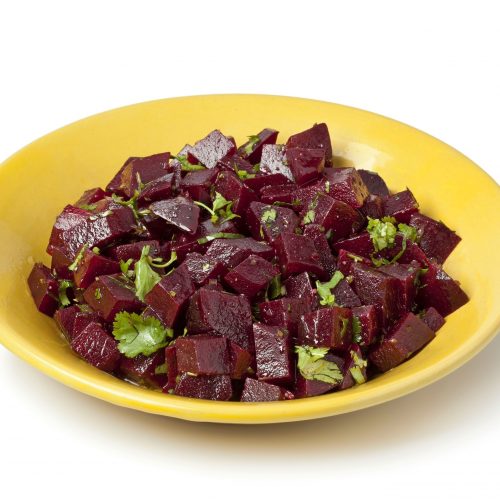
Next, cut the beets into small, evenly sized cubes. You can also slice them thinly or cut them into wedges if you prefer a different presentation.
Try to keep the pieces similar in size so the dressing coats them evenly.
Place the prepared beets in a large mixing bowl.
Prepare the Moroccan Dressing
In a small bowl, combine the olive oil, lemon juice, minced garlic, ground cumin, paprika, salt, and black pepper.
Whisk until the ingredients are well combined.
Add the chopped parsley and cilantro, then mix again. The fresh herbs give the dressing a bright flavor, while cumin and paprika add warm, earthy notes.
If you enjoy a slightly sharper taste, add the optional red wine vinegar. You can also include finely chopped preserved lemon for an extra Moroccan touch.
Taste the dressing and adjust the salt, lemon juice, or spices as needed.
Combine the Beets and Dressing
Pour the dressing over the cooked, diced beets.
Using a large spoon, gently toss everything together until the beets are evenly coated. Be careful not to mash them, as you want the salad to retain its shape and texture.
At first, the dressing may appear concentrated. However, the beets will gradually absorb some of the oil, lemon juice, and spices as the salad rests.
Let the Flavors Develop
For the best flavor, cover the salad and refrigerate it for at least 20–30 minutes before serving.
This resting time allows the garlic, cumin, herbs, and lemon juice to mingle with the natural sweetness of the beets.
If you prepare the salad well in advance, give it a gentle stir before serving. Taste it again and add a little fresh lemon juice or chopped parsley if needed.
Garnish and Serve
Transfer the beet salad to a serving bowl or arrange it neatly on a platter.
Finish with freshly chopped parsley or cilantro, a small drizzle of olive oil, and a light sprinkle of cumin or paprika.
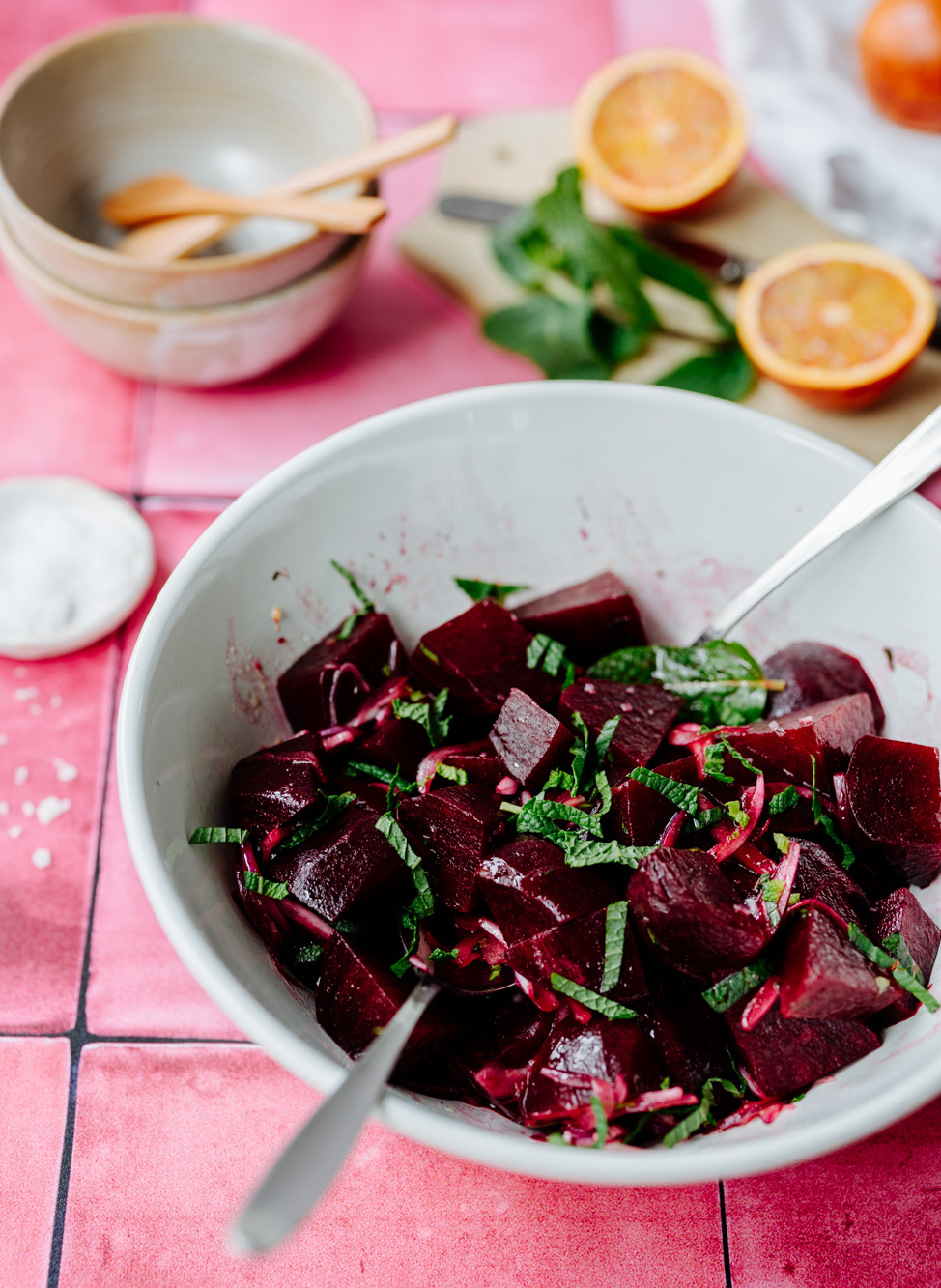
Serve chilled or at room temperature as part of a Moroccan meal. Its vivid color and refreshing flavor make it an attractive addition to a table filled with traditional salads and main dishes.

How to Serve Moroccan Beet Salad
Moroccan Beet Salad is versatile enough to accompany many dishes. Its sweet, earthy flavor and tangy dressing balance richer foods particularly well.
Serve it with:
- Moroccan chicken tagine
- Moroccan fish tagine
- Grilled chicken or lamb
- Grilled fish or shrimp
- Couscous with vegetables
- Fresh Moroccan bread
- Msemen, traditional Moroccan layered flatbread
- A selection of Moroccan cooked and raw salads
For a traditional-style Moroccan table, serve the beet salad in a small bowl alongside other vegetable salads. It adds a striking red-purple color and provides a refreshing contrast to warm main dishes.
You can also enjoy it as a light lunch with chickpeas, leafy greens, or a slice of fresh bread.
Tips for Making the Best Moroccan Beet Salad
Choose Fresh, Firm Beets
Look for beets that feel firm and have smooth skins. Smaller and medium-sized beets are often easier to cook evenly and can have a particularly tender texture.
Avoid Overcooking the Beets
The beets should be tender enough to cut easily but not so soft that they fall apart when mixed with the dressing.
Check them regularly toward the end of cooking, especially if they vary in size.
Use Fresh Lemon Juice
Freshly squeezed lemon juice adds brightness and balances the natural sweetness of the beets. Bottled lemon juice can work in a pinch, but fresh juice generally gives the salad a livelier flavor.
Let the Salad Rest
Allowing the salad to rest before serving makes a noticeable difference. The dressing has time to penetrate the beets, creating a more balanced flavor.
Chop the Herbs Finely
Finely chopped parsley and cilantro distribute more evenly throughout the salad. They also add freshness without overpowering the beets.
Adjust the Spices to Your Taste
Cumin is a wonderful match for beets, while paprika adds warmth and color. Start with the suggested amounts, then adjust them to suit your preference.
Keep the Salad Colorful
If you want a particularly attractive presentation, reserve a little parsley and paprika for the final garnish. Add them just before serving so the herbs look fresh.
Can You Make Moroccan Beet Salad Ahead of Time?
Yes. Moroccan Beet Salad is an excellent make-ahead side dish.
You can cook, cool, peel, and dice the beets a day in advance. Store them in a covered container in the refrigerator. You can also prepare the dressing separately and refrigerate it.
For the best texture and freshest herb flavor, combine the beets and dressing a few hours before serving. If you prefer a stronger flavor, you can dress the salad the night before.
Before serving, stir gently and check the seasoning. A small squeeze of fresh lemon juice and a sprinkle of herbs can brighten the salad after chilling.
How to Store Beet Salad
Transfer leftover beet salad to an airtight container and refrigerate promptly.
For the best quality, enjoy it within 3–4 days. Keep it refrigerated rather than leaving it at room temperature for an extended period.
The beets may release some juice as they sit. This is normal. Simply stir the salad gently before serving.
Freezing the finished salad is not recommended because thawing can change the texture of the beets and herbs.
Moroccan Beet Salad Variations
Beet Salad with Cumin and Garlic
For a simple, savory version, emphasize the cumin and garlic. Keep the dressing light with olive oil and lemon juice, and finish with plenty of chopped parsley.
This combination allows the earthy flavor of the beets to shine.
Beet Salad with Preserved Lemon
Add a small amount of finely chopped preserved lemon to the dressing. It gives the salad a distinctive salty, citrusy flavor that fits beautifully with Moroccan cooking.
Because preserved lemon can be salty, taste the salad before adding extra salt.
Beet Salad with Orange
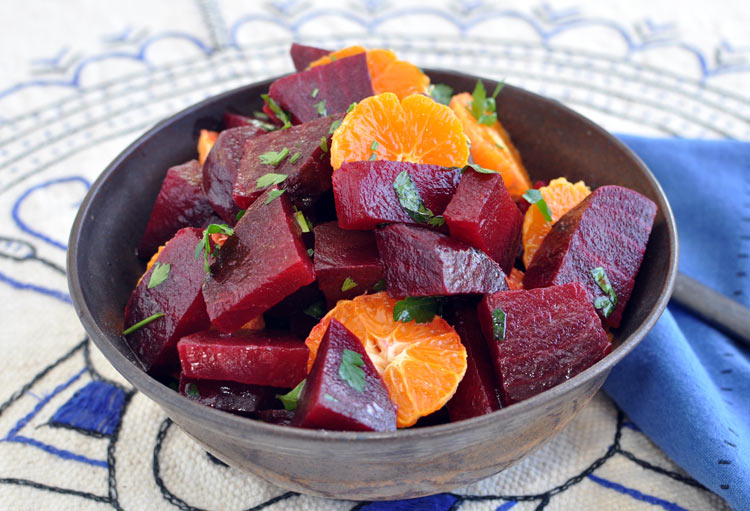
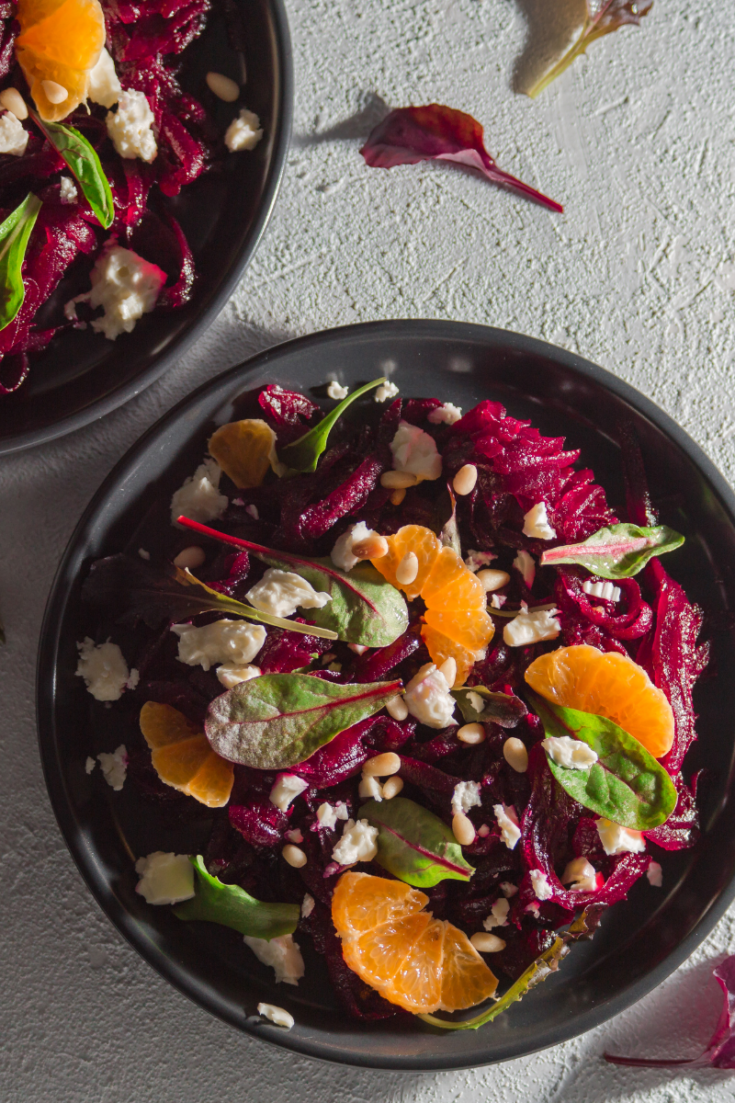
For a sweeter, fruitier variation, add a few orange segments or a little finely grated orange zest. Orange complements the natural sweetness of the beets and creates a refreshing contrast with the cumin.
Use the orange sparingly if you want to maintain a more savory flavor.
Beet Salad with Red Onion
Add a little finely sliced red onion for extra crunch and a sharper taste. If the onion is too strong, soak it in cold water for a few minutes, then drain it before adding it to the salad.
Beet and Carrot Salad
Combine the cooked beets with cooked or finely grated carrots. Dress both vegetables with olive oil, lemon juice, cumin, and fresh herbs for a colorful mixed salad.
Spicy Moroccan Beet Salad
If you enjoy a little heat, add a pinch of cayenne pepper or a small amount of finely chopped chili to the dressing.
Start with a small quantity, then adjust carefully to avoid overpowering the delicate sweetness of the beets.
Frequently Asked Questions
Do I have to peel beets before cooking them?
No. It is usually easier to cook beets with their skins on. Once they are tender and cool enough to handle, the skins can be rubbed off easily.
Can I roast the beets instead of boiling them?
Yes. Roasting is an excellent alternative. It can intensify the beets’ natural sweetness and produce a deeper flavor. Allow extra cooking time and check for tenderness before removing them from the oven.
Can I use pre-cooked beets?
Yes. Vacuum-packed or otherwise pre-cooked plain beets can save time. Choose beets without added sugar or a strong pickling liquid, then drain them and cut them into cubes before adding the dressing.
Is Moroccan Beet Salad vegan?
Yes. This recipe uses vegetables, olive oil, herbs, lemon juice, and spices, so it is naturally vegan.
Is Moroccan Beet Salad gluten-free?
Yes. The ingredients in this recipe are naturally gluten-free. If you use packaged ingredients, check their labels if you need to avoid gluten strictly.
Can I make the salad without garlic?
Yes. Simply leave out the garlic and increase the fresh herbs or lemon juice slightly to maintain a lively flavor.
Why does my beet salad taste too earthy?
Some beets naturally have a stronger earthy flavor than others. Lemon juice or vinegar can help balance it. Fresh herbs and a little extra olive oil can also create a more rounded taste.
Should Moroccan Beet Salad be served hot or cold?
It is generally best served chilled or at room temperature. Cooling also gives the dressing time to develop its flavor.
Can I use dried herbs instead of fresh herbs?
You can, although fresh parsley and cilantro give the salad a brighter flavor. If using dried herbs, use a smaller quantity because their flavor is more concentrated.
Nutrition Information
Approximate nutrition per serving, based on six servings:
- Calories: 110 kcal
- Protein: 2 g
- Carbohydrates: 12 g
- Fat: 7 g
- Saturated fat: 1 g
- Fiber: 3 g
- Sugar: 8 g
- Sodium: 180 mg
These values are estimates and may vary depending on the size of the beets, the amount of dressing used, and the ingredients selected.
More Moroccan Recipes to Try
If you enjoy this Moroccan Beet Salad, explore these other recipes inspired by Moroccan home cooking:
- Moroccan Carrot Salad with Chermoula — tender carrots tossed with garlic, fresh herbs, lemon, cumin, and paprika.
- Zaalouk with Roasted Peppers — a flavorful Moroccan eggplant salad with smoky peppers and tomatoes.
- Moroccan Chickpea Stew — a hearty, warming dish with chickpeas, vegetables, and fragrant spices.
- Traditional Moroccan Chicken Tagine — slow-cooked chicken with aromatic spices and vegetables.
- Moroccan Fish Tagine — fish prepared with Moroccan seasonings and a flavorful chermoula marinade.
- Moroccan Mint Tea — a refreshing traditional drink to serve alongside a Moroccan meal.
- Moroccan Msemen — flaky, layered Moroccan flatbread that pairs well with many dishes.
Final Thoughts
Moroccan Beet Salad is a simple yet beautiful dish that shows how a handful of everyday ingredients can create something full of flavor. Tender beets, fresh herbs, olive oil, lemon juice, garlic, and warm spices come together in a colorful salad that is easy to prepare and enjoyable throughout the year.
The recipe is flexible, too. You can keep it traditional in spirit with cumin, parsley, and lemon, or add preserved lemon, orange, or a touch of chili to make it your own.
Overall, this beet salad is an excellent choice for family meals, gatherings, and Moroccan-inspired menus. Whether you serve it alongside a tagine or as part of a selection of small salads, it brings freshness, color, and a delicious balance of sweet and savory flavors to the table.

Leave a Reply