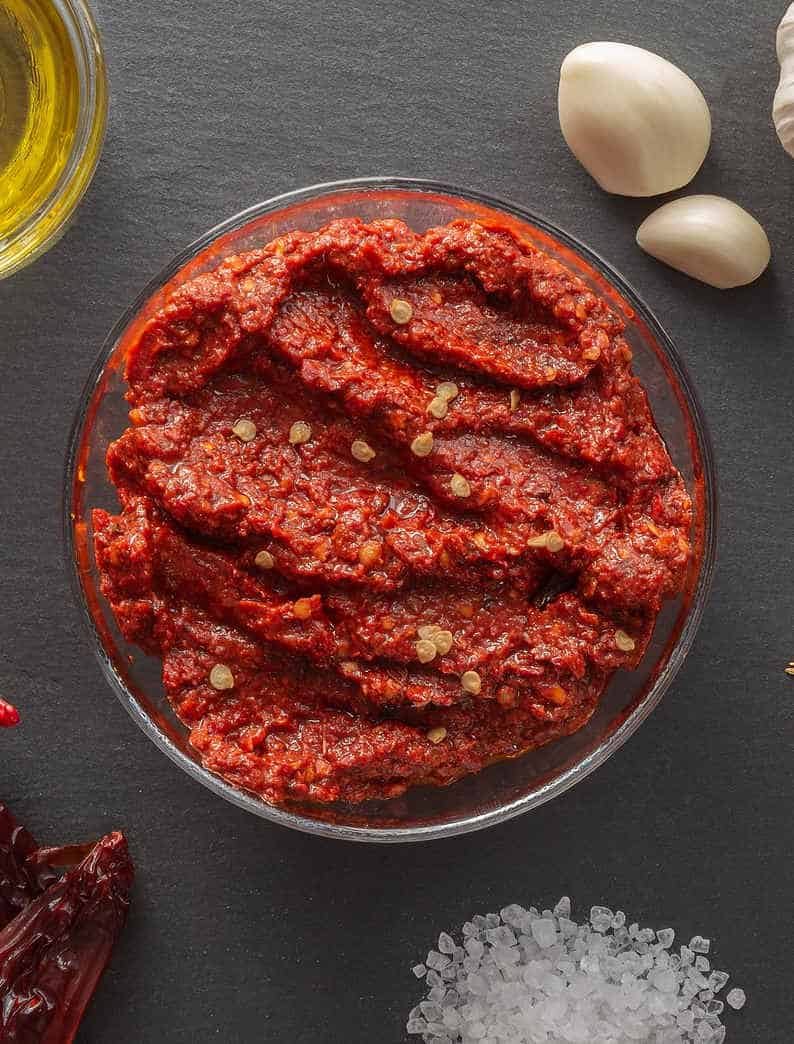
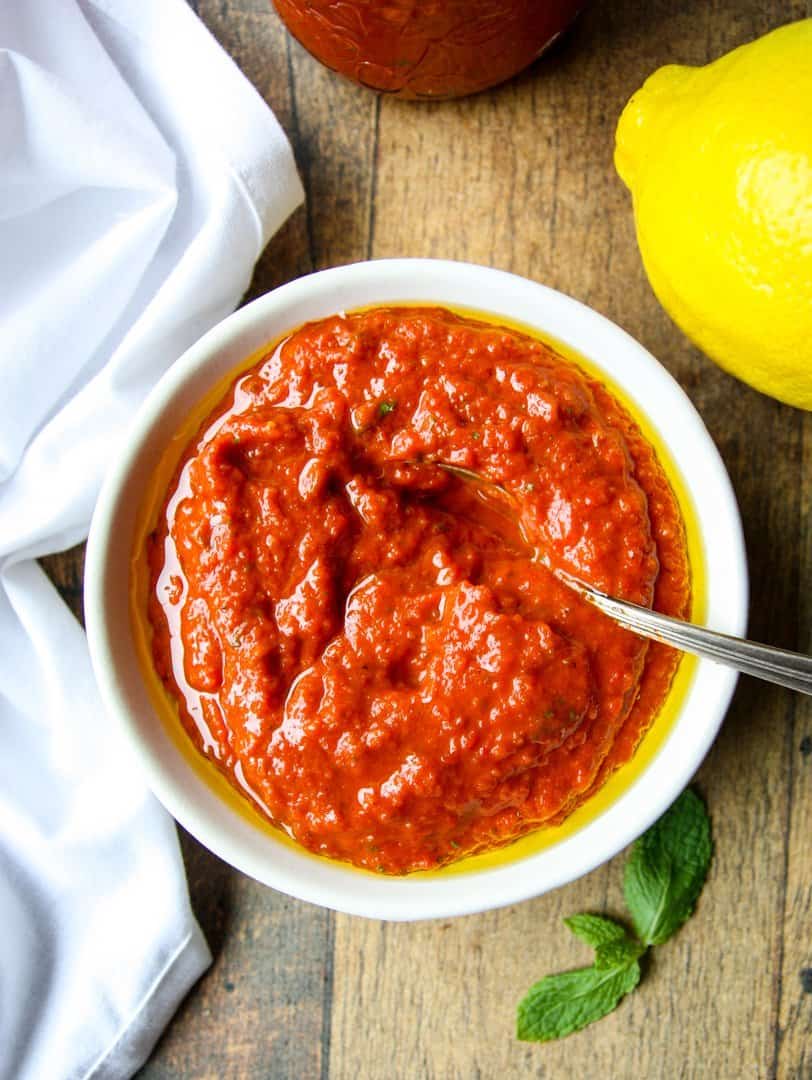
Moroccan Harissa is a flavorful chili paste made with dried red chilies, garlic, olive oil, and aromatic spices. Popular throughout North African cuisine, this spicy condiment adds warmth, depth, and vibrant color to a wide variety of dishes.
Although Harissa is often associated with Tunisian cuisine, it is also enjoyed in Morocco, where it complements traditional tagines, grilled meats, fish, soups, and vegetable dishes. Moroccan-style Harissa can be adapted to suit different tastes, from a mild, aromatic paste to a fiery chili sauce.
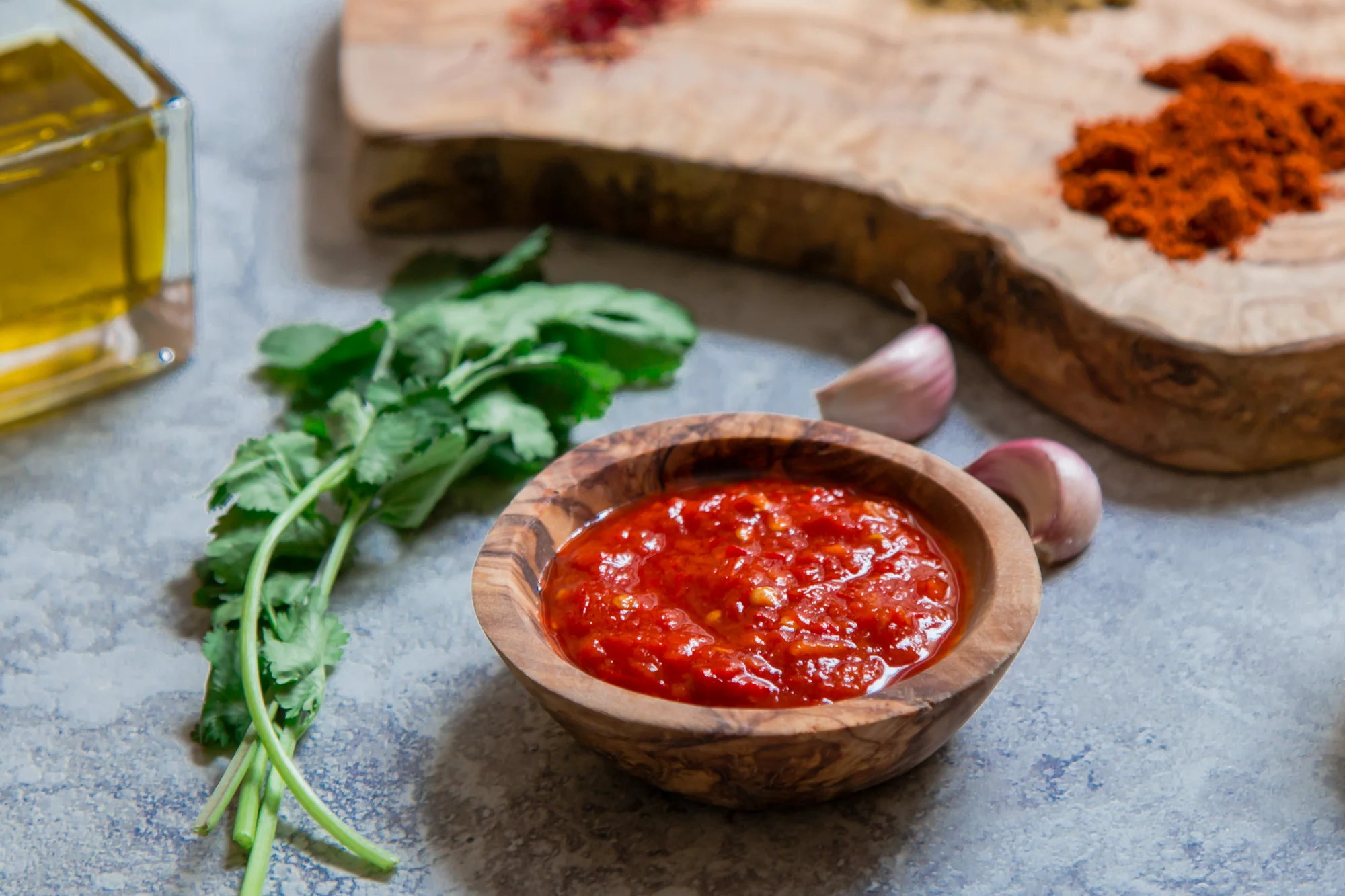
What makes homemade Harissa special is the combination of smoky dried chilies, fragrant garlic, earthy cumin, and sweet paprika. A little olive oil brings everything together, creating a rich paste that is easy to spread, stir into sauces, or serve alongside a meal.
Whether you enjoy spicy food or simply want to add more flavor to your cooking, this Moroccan Harissa recipe is a wonderful condiment to keep in your kitchen.
What Is Moroccan Harissa?
Harissa is a North African chili paste traditionally made from dried red chilies, garlic, oil, and spices. Its exact ingredients and heat level vary by region and household.
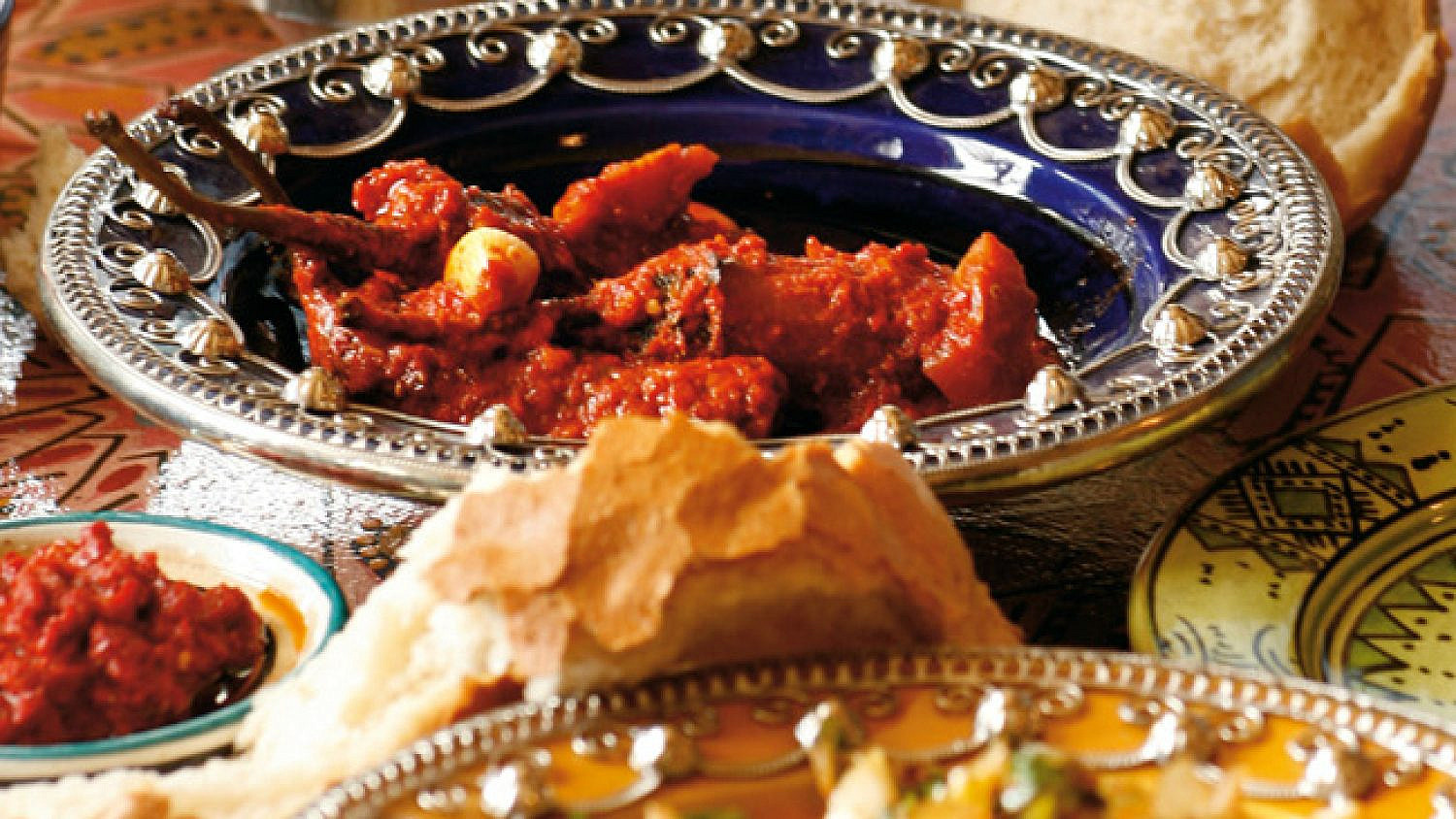
In Moroccan cooking, Harissa is used to add a spicy kick to savory dishes. It can be served at the table, mixed into marinades, stirred into soups, or combined with other ingredients to create a flavorful sauce.
Unlike a thin hot sauce, Harissa has a thick, concentrated texture. This makes it easy to use in small amounts without adding too much liquid to a dish.
Moroccan-style Harissa often features cumin, paprika, garlic, and olive oil. Some versions include coriander seeds, caraway, lemon juice, or a little preserved lemon for additional flavor.
The result is a bold condiment with heat, earthy spices, and a rich chili flavor.
Why You’ll Love This Moroccan Harissa Recipe
- 🇲🇦 Inspired by the flavors of Moroccan and North African cuisine
- 🌶️ Made with dried red chilies and aromatic spices
- 🧄 Full of garlic and rich olive oil
- 🫒 Easy to prepare with simple ingredients
- 🍲 Delicious in tagines, soups, and stews
- 🍗 Excellent as a marinade for chicken and grilled meats
- 🐟 Adds a spicy kick to fish and seafood
- 🥄 Easy to adjust to your preferred heat level
- 🏠 A homemade alternative to store-bought chili paste

Ingredients
This homemade Harissa uses dried red chilies, garlic, olive oil, and traditional spices. You can adjust the chili varieties and quantities depending on how hot you want the finished paste to be.
Ingredients
100 g dried red chilies
4 garlic cloves, peeled
1 teaspoon ground cumin
1 teaspoon sweet paprika
½ teaspoon ground coriander
½ teaspoon salt, or to taste
3–4 tablespoons extra-virgin olive oil
1–2 tablespoons fresh lemon juice, optional
2–4 tablespoons soaking water, as needed
Optional ingredients:
½ teaspoon ground caraway
1 teaspoon finely chopped preserved lemon
½ teaspoon smoked paprika
A pinch of cayenne pepper for extra heat
For a milder Harissa, choose less-hot dried chilies and remove most of the seeds. For a hotter paste, use a greater proportion of spicy chilies.
Choosing the Chilies
The chilies you choose will determine the flavor and heat of your Harissa.
Mild dried red chilies: Provide color and a gentle warmth.
Medium-hot chilies: Create a balanced paste with noticeable heat.
Hot dried chilies: Give Harissa its characteristic fiery flavor.
If you are unsure about their strength, start with a milder variety. You can always increase the heat in a future batch.

Instructions
How to Make Moroccan Harissa
Homemade Harissa is simple to prepare. The main steps are softening the dried chilies, blending them with garlic and spices, and adding olive oil until the paste reaches the right consistency.
Step 1: Prepare the Dried Chilies
Place the dried chilies in a heatproof bowl.
Pour hot water over them until they are fully covered. Let them soak for approximately 20–30 minutes, or until they become soft and pliable.
The soaking time depends on the size and dryness of the chilies.
Once softened, drain the chilies and reserve a little of the soaking water.
Wear food-safe gloves when handling hot chilies, especially if you have sensitive skin. Avoid touching your eyes or face, and wash your hands and utensils thoroughly afterward.
Step 2: Remove the Stems and Seeds
Once the chilies are cool enough to handle, remove their stems.
Open them and remove some or all of the seeds, depending on your preferred heat level.
Removing the seeds and inner membranes can reduce the heat, although the exact result depends on the chili variety.
For a stronger Harissa, leave some of the seeds and membranes intact.
Step 3: Prepare the Garlic and Spices
Peel the garlic cloves and roughly chop them.
Place the garlic in a food processor or blender with the ground cumin, paprika, ground coriander, and salt.
If you are using caraway or smoked paprika, add those ingredients now as well.
Mix briefly to distribute the spices.
Step 4: Blend the Chilies
Add the softened chilies to the food processor.
Pulse several times until the chilies are finely chopped.
Scrape down the sides of the bowl as needed to ensure that the ingredients blend evenly.
The mixture should begin to form a thick, coarse paste.
Step 5: Add the Olive Oil
With the food processor running at a low speed, gradually add the olive oil.
Continue blending until the mixture becomes a thick, cohesive paste.
If it is too dry to blend, add a little reserved soaking water, one tablespoon at a time.
Use only enough liquid to help the ingredients combine. Too much water will make the Harissa thinner and can affect its storage life.
Step 6: Adjust the Flavor
Taste a small amount of the Harissa and adjust the seasoning.
Add more cumin for an earthier flavor, paprika for extra sweetness, or a little lemon juice for brightness.
If you enjoy a more complex Moroccan flavor, stir in a small amount of finely chopped preserved lemon.
Be careful when tasting because the heat may be intense. A small amount is enough to judge the flavor.
Step 7: Transfer to a Clean Jar
Spoon the Harissa into a clean, suitable container.
Smooth the surface with the back of a spoon and refrigerate promptly.
Your Moroccan-style Harissa is ready to use in tagines, marinades, sauces, and other savory dishes.

How to Adjust the Heat of Harissa
One of the best things about making Harissa at home is that you can control its spiciness.
For Mild Harissa
Choose mild dried chilies and remove the seeds and inner membranes.
You can also increase the proportion of sweet paprika to create a fuller flavor without adding much heat.
For Medium-Hot Harissa
Combine mild and medium-hot chilies.
This creates a balanced paste that adds noticeable warmth to dishes without overpowering every other ingredient.
For Very Spicy Harissa
Use a higher proportion of hot dried chilies and leave some of the seeds and membranes intact.
Add the hotter chilies gradually, tasting cautiously as you go.
Remember that Harissa is concentrated. Even a small spoonful can add considerable heat to a meal.
How to Use Moroccan Harissa
Harissa is a versatile condiment that can transform simple ingredients into flavorful dishes.
Harissa in Moroccan Tagines
Add a small spoonful of Harissa to a chicken, beef, lamb, or vegetable tagine.
Stir it into the cooking sauce with the onions, garlic, and spices. Allow the flavors to blend as the dish cooks.
Start with a small amount, particularly if your tagine already contains paprika, chili, or other strong spices.
Harissa for Chicken
Harissa makes an excellent marinade for chicken.
Mix a spoonful of the paste with olive oil, lemon juice, garlic, and a little cumin. Rub it over chicken thighs, drumsticks, or breast fillets.
Cover and refrigerate for 30 minutes to 2 hours before cooking.
Grill, roast, or pan-cook the chicken until it is fully cooked.
Harissa for Fish and Seafood
Harissa pairs well with firm white fish, sardines, shrimp, and other seafood.
Mix a small amount with olive oil, lemon juice, and garlic. Spread it lightly over the fish before cooking.
For delicate fish, avoid using too much paste because its heat can overwhelm the natural flavor.
Harissa in Soups and Stews
Stir a small spoonful of Harissa into lentil soup, chickpea stew, or vegetable soup.
Add it during cooking so the chili and spices have time to blend with the other ingredients.
This is an easy way to add warmth to a simple bowl of soup.
Harissa with Roasted Vegetables
Toss carrots, potatoes, cauliflower, or zucchini with olive oil and a little Harissa before roasting.
The paste adds color, heat, and a savory flavor that works particularly well with sweet root vegetables.
For a milder result, combine Harissa with extra olive oil and a squeeze of lemon.
Harissa as a Table Condiment
Serve a small amount of Harissa alongside bread, grilled meat, fish, or vegetable dishes.
You can also mix it with olive oil and lemon juice to make a quick dipping sauce.
This lets everyone adjust the heat to their own taste.
Tips for Making the Best Moroccan Harissa
Choose Good-Quality Dried Chilies
The flavor of Harissa depends heavily on the chilies.
Choose dried chilies with a rich red color and a clean, fresh aroma. Avoid chilies that are moldy, damp, or have an unusual smell.
Soak the Chilies Until Soft
Properly softened chilies are easier to blend and produce a smoother paste.
If they remain tough after the initial soaking time, leave them a little longer in hot water.
Add the Oil Gradually
Adding olive oil slowly helps the paste become cohesive without making it overly oily.
Start with three tablespoons and add more only if necessary.
Do Not Add Too Much Water
A little soaking water can help the food processor blend the ingredients. However, too much water creates a thin paste.
For a thicker Harissa, use as little additional water as possible.
Taste Before Adding More Chili
Different dried chilies vary considerably in heat.
Start with a moderate quantity and adjust the recipe gradually. This is much easier than trying to make an excessively hot paste milder afterward.
Keep the Jar Clean
Use a clean container and a clean spoon each time you serve the Harissa.
Because homemade Harissa may contain water from soaking the chilies, do not assume it is shelf-stable simply because it contains salt and oil.
Common Harissa Mistakes to Avoid
Using Chilies That Are Too Dry to Blend
Very dry chilies may remain tough even after a short soak.
Allow them enough time to soften before processing.
Making the Paste Too Watery
Too much soaking liquid can make Harissa runny and may reduce its storage quality.
Add water gradually and stop once the mixture blends smoothly.
Adding Too Much Oil
Olive oil improves the texture and flavor, but excessive oil can make the paste greasy.
Add it slowly until the consistency is thick and spreadable.
Making the Harissa Too Hot
It is easy to underestimate the strength of dried chilies.
Use a combination of chili varieties or remove some seeds and membranes to manage the heat.
Storing Harissa at Room Temperature Without a Tested Method
Homemade chili paste should be handled carefully. Oil does not make a homemade preserve safe on its own, and covering the paste with oil is not a substitute for validated preservation instructions.
Refrigerate the Harissa promptly and use a tested storage method. Discard it if you notice mold, unusual discoloration, or an unpleasant smell.
Moroccan Harissa Variations
Harissa can be adapted to suit different dishes and personal preferences.
Classic Moroccan-Style Harissa
This version combines dried red chilies, garlic, cumin, paprika, coriander, salt, and olive oil.
It is versatile enough for tagines, soups, marinades, and grilled foods.
Harissa with Preserved Lemon
Add a small amount of finely chopped preserved lemon for a deeper citrus flavor.
This variation pairs especially well with fish, seafood, and Moroccan vegetable dishes.
Since preserved lemons are salty, taste the mixture before adding more salt.
Smoky Harissa
Add a small quantity of smoked paprika for a smoky aroma.
This version works well with grilled vegetables, roasted chicken, and grilled meat.
Garlic-Rich Harissa
Increase the garlic slightly if you enjoy a stronger savory flavor.
This variation is delicious in marinades and sauces, although the garlic may become more pronounced as the paste rests.
Mild Harissa
Use mild red chilies, remove their seeds, and increase the sweet paprika slightly.
This creates a more approachable condiment for people who prefer flavor without intense heat.
How to Store Homemade Harissa
Proper storage is important because homemade Harissa contains fresh garlic and may contain added water.
Refrigeration
Transfer the Harissa to a clean, airtight container and refrigerate it promptly.
For this homemade recipe, use it within about 5–7 days as a conservative guideline. This is not a guarantee of safety, and storage time can vary with preparation and handling.
Always use a clean spoon and keep the container closed when not in use.
Can You Freeze Harissa?
Yes. Freezing is a convenient way to store Harissa for longer.
Spoon small portions into a clean ice cube tray or freezer-safe container. Freeze until solid, then transfer the portions to a sealed freezer bag or suitable container.
Use the frozen portions within approximately 2–3 months for the best quality.
Thaw only the amount you need in the refrigerator, and avoid repeatedly thawing and refreezing the same portion.
Can You Cover Harissa with Olive Oil?
A thin layer of olive oil may help limit air exposure, but it does not make the paste safe for room-temperature storage.
Keep homemade Harissa refrigerated and follow reliable food-safety guidance. Never rely on oil alone to preserve a mixture containing garlic and water.
Frequently Asked Questions
What is Moroccan Harissa made of?
Moroccan-style Harissa is commonly made with dried red chilies, garlic, olive oil, cumin, paprika, coriander, and salt.
Some versions also include caraway, lemon juice, or preserved lemon.
Is Moroccan Harissa the same as Tunisian Harissa?
They are closely related North African chili pastes, but recipes vary by region and household.
Tunisian Harissa is particularly well known, while Moroccan-style versions can be adapted with spices and flavors commonly used in Moroccan cooking.
There is no single recipe that represents every Moroccan household.
Is Harissa very spicy?
Harissa can range from moderately spicy to extremely hot.
Its heat depends on the type and quantity of dried chilies used. Homemade Harissa allows you to choose a milder or hotter combination.
Can I make Harissa without a food processor?
Yes. You can finely chop the softened chilies and garlic by hand, then mix them with the spices and olive oil.
A mortar and pestle also works well, although the preparation may take longer.
Can I use fresh chilies instead of dried chilies?
You can make a fresh chili paste, but the flavor and texture will differ from traditional dried-chili Harissa.
Dried chilies provide a concentrated flavor and are an important characteristic of this version.
Can I make Harissa without garlic?
Yes, although garlic contributes a significant part of the flavor.
If you prefer to omit it, increase the spices slightly and adjust the olive oil to create a balanced paste. Remember that changing ingredients can also affect storage considerations.
How much Harissa should I add to a dish?
Start with ½–1 teaspoon for a dish serving four people, then taste and adjust.
The appropriate amount depends on the heat of the chilies and the flavor you want.
Is Harissa vegan?
Yes. This recipe uses chilies, garlic, spices, salt, and olive oil, so it is naturally vegan and dairy-free.
What is the difference between Harissa and Chermoula?
Harissa is a concentrated chili paste made primarily from dried red chilies, garlic, oil, and spices.
Chermoula is a fresh herb marinade made with cilantro, parsley, garlic, lemon juice, olive oil, and spices. It is especially popular with Moroccan fish dishes.
Both are useful in Moroccan cooking, but they offer different flavors and textures.
Nutrition Information
Approximate nutrition per serving, assuming the recipe makes about 16 servings of one tablespoon each:
| Nutrient | Approximate amount |
|---|---|
| Calories | 25 kcal |
| Protein | 1 g |
| Carbohydrates | 2 g |
| Fat | 2 g |
| Saturated fat | Less than 1 g |
| Fiber | 1 g |
| Sugar | Less than 1 g |
| Sodium | Variable |
These estimates are approximate and depend on the type of chilies, the amount of olive oil, and the quantity of salt used.
More Moroccan Recipes to Try
If you enjoy the bold flavors of Moroccan Harissa, try these traditional recipes as well:
- Moroccan Chermoula – A fresh herb marinade made with cilantro, parsley, garlic, lemon, and Moroccan spices.
- Moroccan Fish Tagine – A flavorful fish dish seasoned with herbs and aromatic spices.
- Chicken with Olives and Preserved Lemons – A classic Moroccan tagine with tender chicken, savory olives, and citrus.
- Moroccan Msemen – Traditional layered Moroccan flatbread, perfect for enjoying alongside savory dishes. Discover our Moroccan Msemen recipe.
- Moroccan Mint Tea – A refreshing traditional drink to enjoy after a Moroccan meal. Try our Moroccan mint tea recipe.
Final Thoughts
Moroccan-style Harissa is a simple yet powerful condiment that brings the bold flavors of North African cooking into your kitchen.
Dried red chilies, garlic, cumin, paprika, and olive oil combine to create a rich paste that adds depth and heat to everyday meals.
Use it in tagines, stir it into soups, spread it over chicken before roasting, or serve a little alongside grilled fish and vegetables.
Whether you prefer a mild, aromatic paste or a fiery chili condiment, homemade Harissa is easy to customize to your taste.
However, the key to a successful Harissa is balance: flavorful chilies, fragrant spices, enough olive oil to bring everything together, and careful storage.
Overall, this Moroccan-style Harissa recipe is a wonderful way to add authentic North African flavor to your kitchen, one spoonful at a time. 🇲🇦🌶️


Leave a Reply