Bissara is one of Morocco’s most beloved comfort foods. This thick and creamy soup is made from dried split fava beans, garlic, olive oil, and warm spices like cumin and paprika. Simple yet incredibly satisfying, Bissara has been enjoyed in Moroccan homes for generations and is especially popular during the colder months.
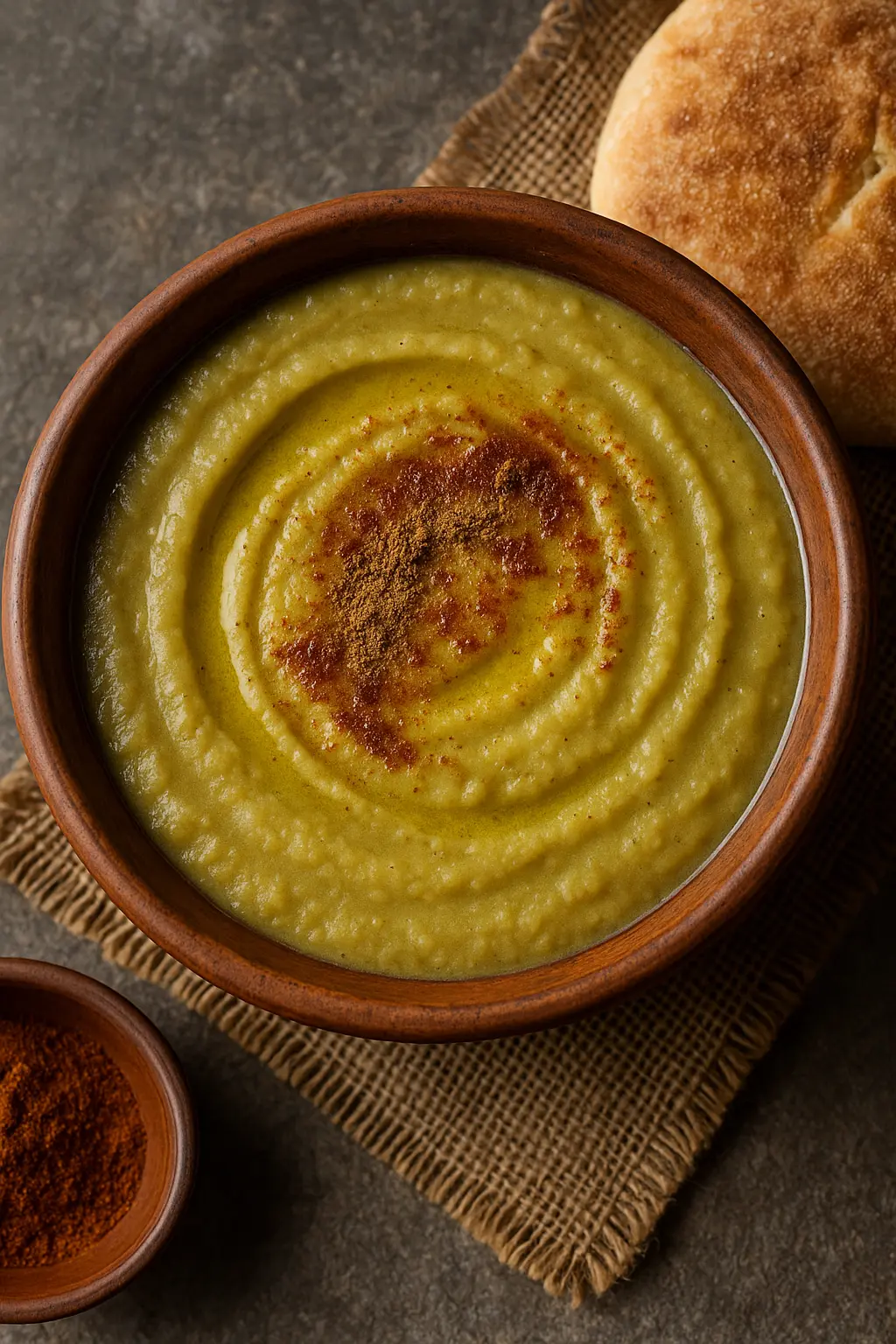
Served piping hot with crusty Moroccan bread (Khobz), a drizzle of extra virgin olive oil, and a sprinkle of cumin, Bissara is a hearty breakfast, lunch, or light dinner. Although it uses only a handful of ingredients, the result is rich, flavorful, and naturally vegan.
Whether you’re exploring authentic Moroccan cuisine or looking for an affordable and nutritious meal, this traditional Bissara recipe is easy to make and full of authentic flavors.
Why You’ll Love This Moroccan Bissara
Delicious with fresh Moroccan bread.
Authentic Moroccan comfort food.
Budget-friendly and made with simple ingredients.
Naturally vegan and gluten-free.
Rich in plant-based protein and fiber.
Perfect for cold weather.
Easy to prepare with minimal effort.

Ingredients
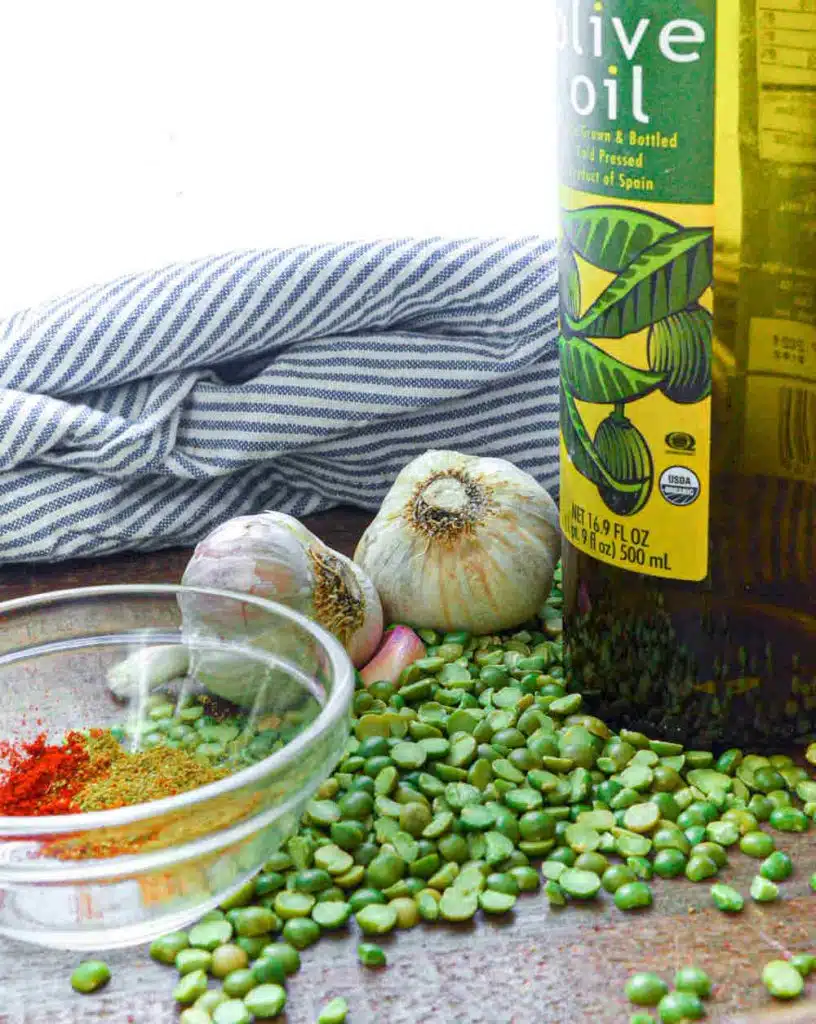
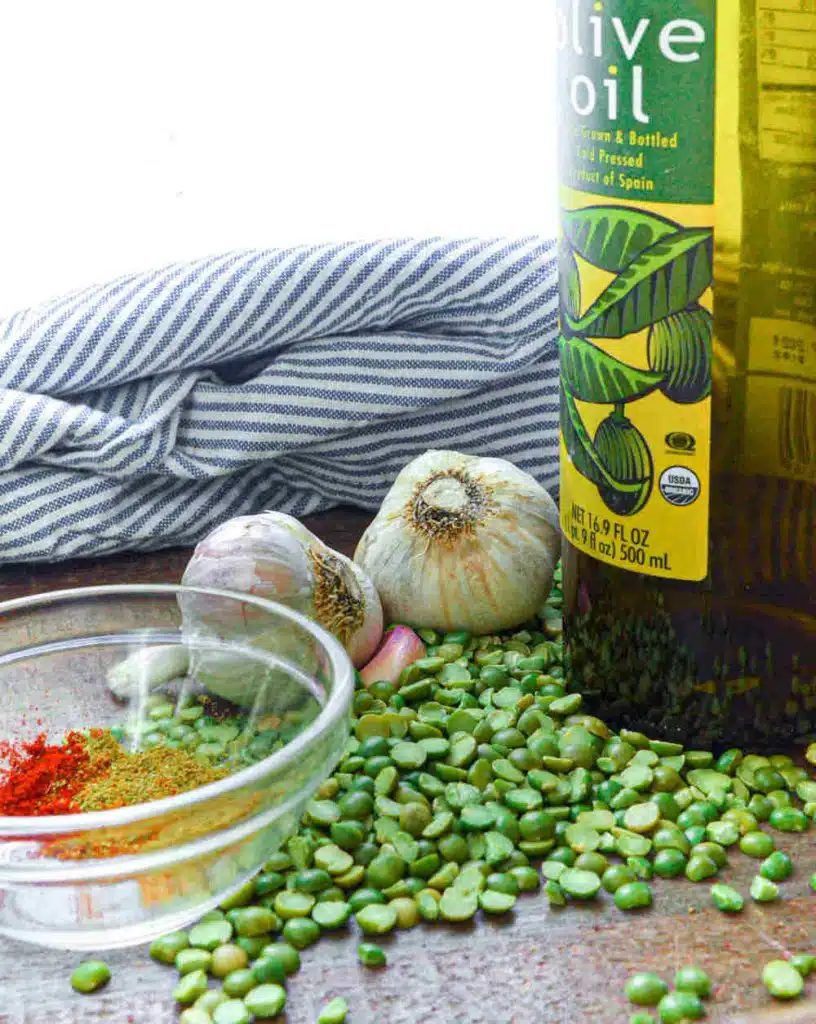
2 cups dried split fava beans, rinsed
5 garlic cloves, peeled
6 cups water
1 teaspoon ground cumin
1 teaspoon paprika
½ teaspoon turmeric (optional)
Salt to taste
3 tablespoons extra virgin olive oil
For Serving
Extra virgin olive oil
Ground cumin
Paprika
Fresh parsley, chopped (optional)
Moroccan Khobz (bread)
Lemon wedges (optional)

Instructions
1 : Rinse the split fava beans thoroughly under cold water and remove any small stones or damaged beans if necessary.
2 : Place the fava beans, garlic, water, olive oil, cumin, paprika, turmeric, and salt into a large pot.
3 : Bring everything to a boil over medium-high heat. Skim off any foam that rises to the surface.
4 : Reduce the heat to low, cover, and simmer for 60–75 minutes, or until the beans are completely soft.
5 : Using an immersion blender, blend the soup until smooth and creamy. If you prefer a thinner consistency, gradually add more hot water while blending.
6 : Taste and adjust the seasoning by adding more salt or cumin if desired.
7 : Serve the Bissara hot in shallow bowls. Drizzle generously with olive oil and garnish with cumin, paprika, parsley, and a squeeze of fresh lemon juice if desired.
Enjoy with warm Moroccan Khobz for dipping.
Tips for the Best Bissara
- Use split fava beans for the most authentic texture.
- Blend thoroughly for an extra creamy consistency.
- Adjust the thickness by adding hot water little by little.
- Finish with high-quality olive oil for the best flavor.
- Serve immediately while hot for the most authentic experience.
What to Serve with Bissara
Bissara is traditionally enjoyed with fresh Moroccan bread and simple accompaniments that complement its creamy texture.
Serve it with:
- Khobz (Moroccan Bread) for dipping.
- Moroccan Mint Tea for a comforting drink.
- Olives for a classic Moroccan breakfast.
- Fresh lemon wedges to brighten the flavors.
- Harissa if you enjoy a little heat.
Variations
Traditional Bissara
Made with split fava beans, garlic, cumin, and olive oil.
Pea Bissara
Some regions of Morocco prepare Bissara using dried split peas instead of fava beans.
Spicy Bissara
Add cayenne pepper or harissa for extra heat.
Creamier Version
Blend the soup longer and drizzle with additional olive oil before serving.
Storage
Store leftover Bissara in an airtight container in the refrigerator for up to 4 days.
To reheat, warm gently over medium heat while stirring. Add a little water if the soup becomes too thick.
Bissara can also be frozen for up to 3 months.
Frequently Asked Questions
What is Bissara?
Bissara is a traditional Moroccan soup made primarily from dried split fava beans, garlic, olive oil, and spices. It is one of Morocco’s most popular comfort foods.
Is Bissara vegan?
Yes. Traditional Moroccan Bissara is naturally vegan and contains no dairy or meat.
Can I make Bissara with split peas?
Yes. While fava beans are traditional, many Moroccan families also prepare Bissara using dried split peas.
Is Bissara healthy?
Absolutely. It is high in protein, fiber, vitamins, and minerals while being naturally low in fat, especially when prepared with moderate amounts of olive oil.
Why is Bissara so popular in Morocco?
Bissara is affordable, filling, nutritious, and easy to prepare. It has long been a staple meal enjoyed throughout Morocco, particularly during winter mornings.
Final Thoughts
Moroccan Bissara proves that simple ingredients can create extraordinary flavors. Creamy, comforting, and packed with nutrition, this timeless soup has warmed Moroccan families for generations. Whether served as a hearty breakfast or a satisfying dinner, Bissara is an authentic taste of Morocco that’s both easy to prepare and incredibly delicious.
Once you’ve tried this traditional recipe with warm Khobz and a generous drizzle of olive oil, it’s easy to see why Bissara remains one of Morocco’s favorite comfort foods..
Leave a Reply