
Moroccan preserved lemons are one of the most iconic ingredients in traditional Moroccan cuisine. Made with fresh lemons and coarse salt, they develop a distinctive tangy, salty, and intensely citrusy flavor as they slowly ferment in their own juice.
Known as l’hamd mrakad in Moroccan Darija, preserved lemons are especially popular in classic dishes such as chicken tagine with olives and preserved lemons. They are also used in fish tagines, sauces, salads, and marinades.
Unlike fresh lemons, preserved lemons have a softer rind and a deeper, more complex flavor. The salt gradually transforms their texture while preserving their bright citrus aroma.
Best of all, this traditional Moroccan preserved lemons recipe requires just two main ingredients: fresh lemons and salt. With a little patience, you can prepare a jar at home and enjoy an essential ingredient of Moroccan cooking for months.
Whether you are preparing a traditional chicken tagine or looking for a way to add a burst of citrus flavor to everyday meals, homemade preserved lemons are well worth making.
What Are Moroccan Preserved Lemons?
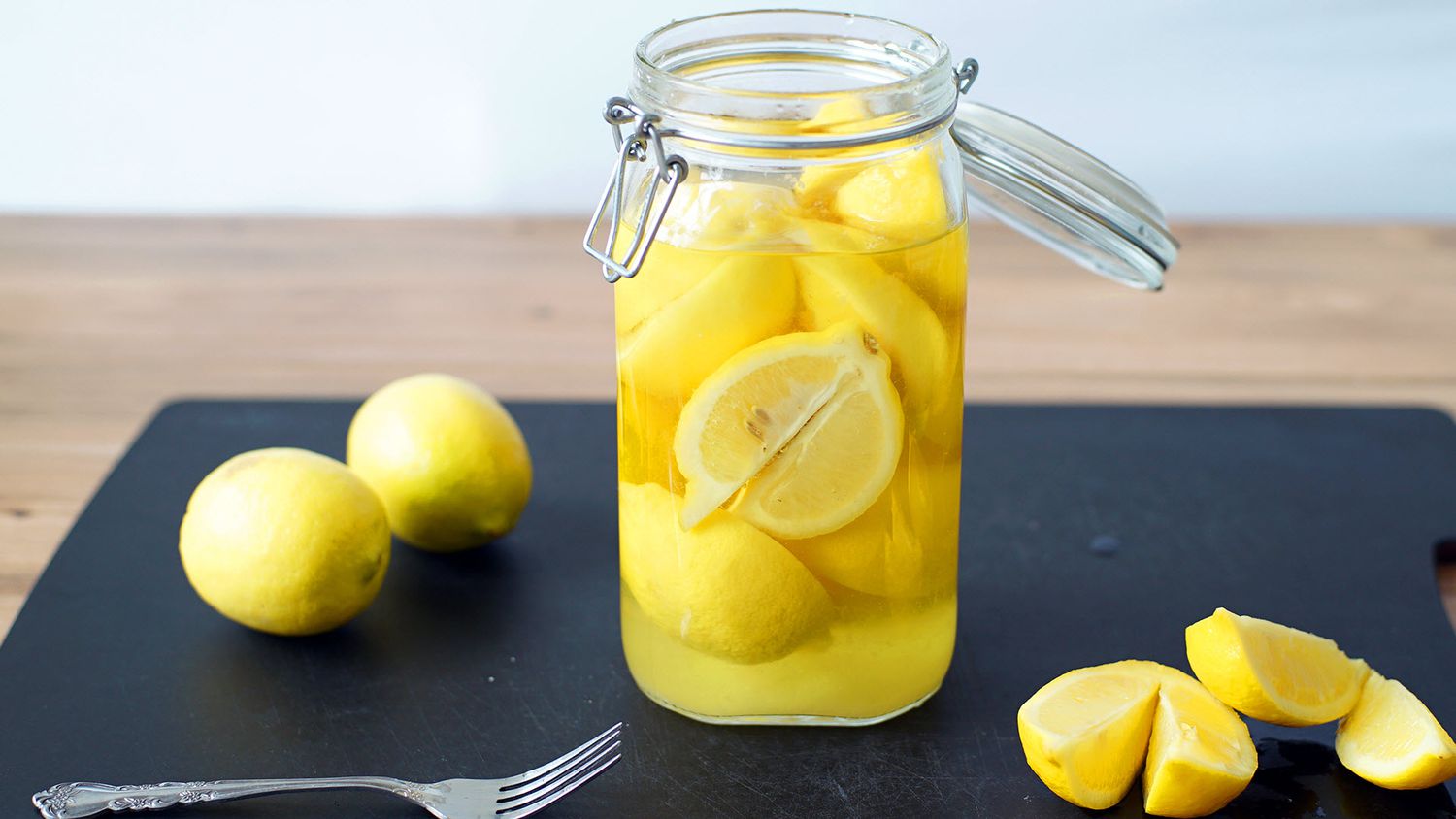
Moroccan preserved lemons are whole or quartered lemons that have been packed with salt and left to ferment in their own juice.
Over time, the salt draws out the lemon juice, softens the peel, and develops a rich, concentrated flavor. The result is a preserved citrus ingredient that tastes different from both fresh lemons and ordinary pickled lemons.
In Morocco, preserved lemons are particularly associated with the cuisine of traditional home cooking. They are a defining ingredient in many tagines, especially chicken with olives and preserved lemons.
The peel is usually the most prized part. After preservation, it becomes tender enough to chop finely or slice into thin strips.
Before using preserved lemon, many cooks rinse away excess salt and remove the pulp if the recipe calls mainly for the rind.
Although preserved lemons are widely available in shops, making them at home is simple. You only need fresh, unwaxed lemons, salt, a clean jar, and enough time for the flavors to develop.
Why You’ll Love This Moroccan Preserved Lemons Recipe
- 🇲🇦 A traditional ingredient used throughout Moroccan cooking
- 🍋 Made with just lemons and salt
- 🫙 Easy to prepare in a clean glass jar
- 🌿 Adds intense citrus flavor to tagines, salads, sauces, and marinades
- 🍗 Perfect for chicken with olives and preserved lemons
- 🐟 Delicious in Moroccan fish dishes
- ⏳ Develops a deeper flavor as it matures
- 🥘 A useful pantry staple for Moroccan recipes
- 🏠 Easy to prepare at home with minimal equipment

Ingredients
8–10 small or medium lemons, preferably thin-skinned and unwaxed
½ cup coarse salt, approximately 120 g, for packing
Additional fresh lemon juice, as needed to cover the lemons
Optional ingredients:
1 cinnamon stick
2–3 bay leaves
1 teaspoon coriander seeds
A few black peppercorns
The optional spices add extra aroma, but they are not necessary for traditional preserved lemons. For a classic Moroccan flavor, lemons and salt are enough.
Equipment
One clean glass jar with a tight-fitting lid
A sharp knife
A clean cutting board
A spoon for adding salt
Choose a jar that holds the lemons snugly and leaves as little empty space as possible.

Instructions
How to Make Moroccan Preserved Lemons
Making preserved lemons takes only a short time at the beginning. The main ingredient is patience, because the lemons need several weeks to soften and develop their characteristic flavor.
Step 1: Choose and Wash the Lemons
Select firm, fresh lemons with thin skins. Smaller lemons are often easier to pack tightly into a jar.
Wash the lemons thoroughly under running water, rubbing the skins to remove dirt and residue.
If the lemons have a wax coating, choose unwaxed fruit or follow appropriate food-safe washing guidance. Dry the lemons with a clean towel.
Cleanliness matters because the lemons will be stored for an extended period.
Step 2: Prepare the Jar
Wash the glass jar and lid thoroughly. Sanitize them using a suitable food-safe method, then allow them to dry completely.
Make sure the jar is large enough to hold the lemons snugly without forcing them inside.
Avoid using a jar with cracks, chipped edges, or a damaged lid.
Step 3: Cut the Lemons
Place one lemon on the cutting board.
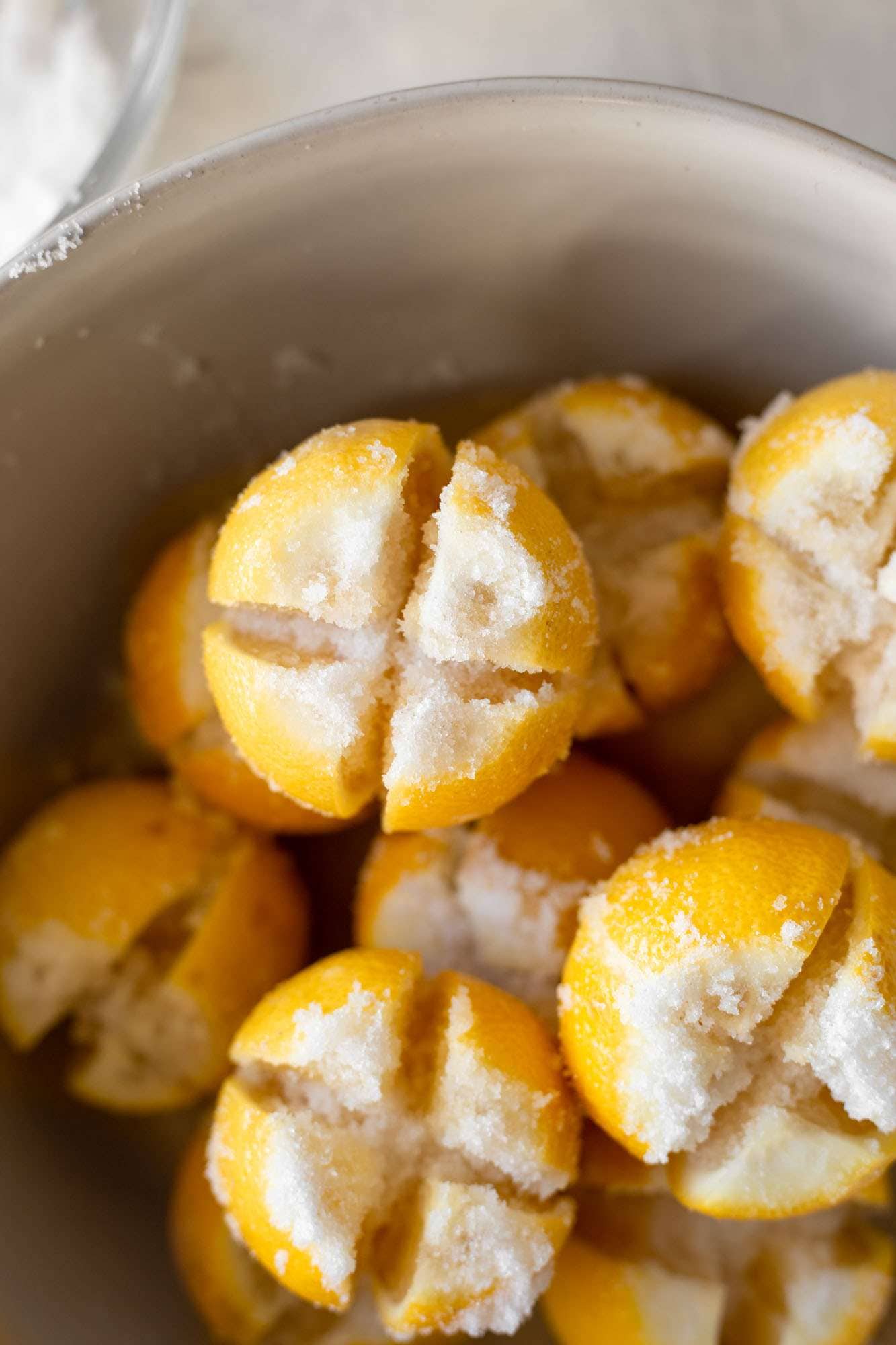
Cut it lengthwise into quarters, stopping about 1–2 cm before the base so the lemon remains connected.
The lemon should open like a flower while staying in one piece.
Repeat with the remaining lemons.
This traditional cut creates pockets where the salt can be packed directly against the flesh.
Step 4: Pack the Lemons with Salt
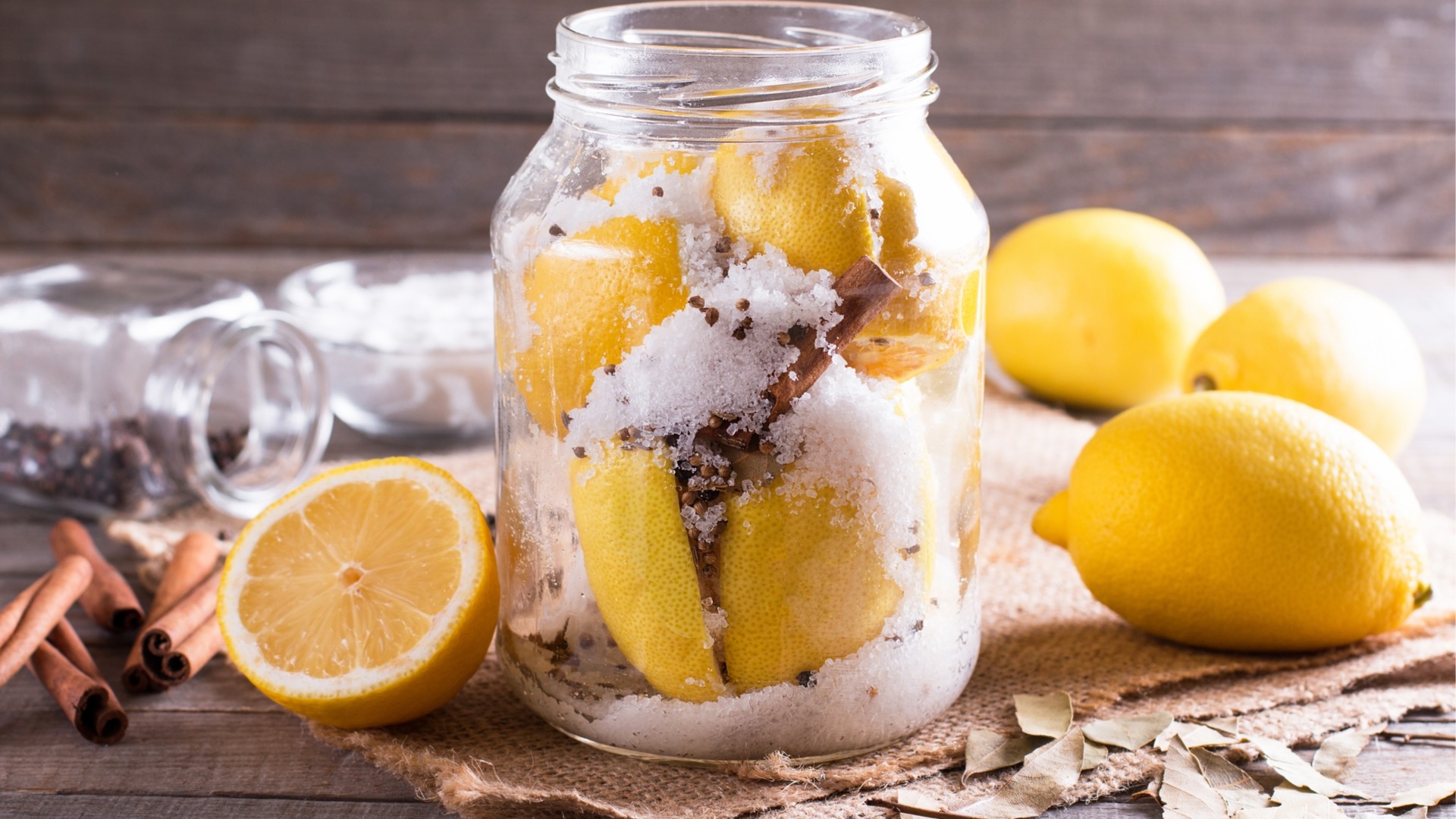
Open each lemon gently and sprinkle a generous amount of coarse salt inside.
Place the salted lemon into the jar, pressing it down firmly to release some of its juice.
Continue packing the lemons into the jar, adding more salt between the layers.
Press them down as you go. The lemons should fit closely together, helping release enough juice to form the preserving liquid.
If you are using optional spices, add small amounts between the lemons.
Step 5: Cover with Lemon Juice
Once the jar is full, press the lemons down firmly.
Their juice may begin to cover them naturally. However, if the lemons are not completely submerged, pour in enough fresh lemon juice to cover them.
Keep the fruit beneath the liquid, leaving a little headspace at the top of the jar.
This is an important step because exposed lemon pieces are more likely to develop spoilage.
Close the jar securely.
Step 6: Let the Lemons Preserve
Place the jar in a cool, dark location and follow a tested preservation process appropriate for your recipe and storage conditions.
During the initial period, check the jar regularly to make sure the lemons remain submerged. Gently turn or shake the closed jar if appropriate to redistribute the salt and juice.
The lemons generally need about 3–4 weeks to soften, although larger lemons may take longer.
As they mature, the rind becomes tender and the flavor grows more rounded and intense.
Important food-safety note: Salt alone does not guarantee that a homemade preserve is safe. Use a reliable, tested recipe with specified salt proportions and storage instructions. If your method has not been validated for shelf-stable storage, refrigerate the jar during preservation and storage. Discard the entire batch if you notice fuzzy mold, unusual discoloration, or an unpleasant or rotten smell. Do not taste a questionable preserve.
Step 7: Check That the Lemons Are Ready
After several weeks, inspect the lemons.
The peel should be soft and pliable, and the lemon juice should have a strong citrus aroma.
If the rind remains firm, allow more time under the appropriate storage conditions.
Once ready, keep the lemons submerged in their preserving liquid and store them according to your chosen tested method.
Your Moroccan preserved lemons are now ready to add a distinctive flavor to your favorite recipes.


How to Use Moroccan Preserved Lemons
Preserved lemons are versatile, and a small amount can transform a dish.
Chicken with Olives and Preserved Lemons
This is one of the most famous uses for Moroccan preserved lemons.
Add thin strips of preserved lemon peel to a chicken tagine with onions, garlic, olives, olive oil, and Moroccan spices.
The citrus adds brightness and balances the richness of the sauce.
For a traditional meal, serve the dish with Moroccan bread.
Moroccan Fish Tagine
Preserved lemons pair beautifully with fish, garlic, fresh herbs, olives, and Chermoula.
Add a few thin strips of rind to the tagine before cooking. The lemon develops a savory, fragrant flavor as it warms with the fish and sauce.
Use them sparingly at first, because the salty flavor can be concentrated.
Chermoula Marinade
Finely chop a small amount of preserved lemon rind and mix it into homemade Chermoula.
It adds a deeper citrus flavor that works especially well with fish, shrimp, and roasted vegetables.
Moroccan Salads
Preserved lemon can bring a tangy, salty note to carrot salads, tomato salads, cooked peppers, and other vegetable dishes.
Chop a small piece of rind very finely and mix it into the salad dressing.
Because preserved lemons are salty, taste the dish before adding extra salt.
Roasted Vegetables
Add chopped preserved lemon to roasted carrots, cauliflower, potatoes, or zucchini.
You can mix it with olive oil, garlic, and herbs before roasting, or add a little at the end for a fresher citrus aroma.
Sauces and Dressings
Finely minced preserved lemon rind can be added to vinaigrettes, yogurt-based sauces, herb dressings, and marinades.
Start with a small amount and adjust gradually until the flavor is balanced.
Which Part of a Preserved Lemon Should You Use?
Both the rind and the pulp are edible when the lemons have been properly prepared and preserved, but they are used differently.
The Rind
The peel is the most commonly used part in Moroccan cooking.
It develops a soft texture and an intense citrus flavor. Rinse it if necessary to remove excess salt, then slice or chop it according to your recipe.
The Pulp
The pulp is softer and often saltier.
Some cooks remove it before chopping the rind, particularly when preparing chicken tagines or garnishes.
However, it can also be blended into sauces or dressings if you enjoy its stronger flavor and texture.
Should You Rinse Preserved Lemons?
Often, yes.
A quick rinse under cold water can remove excess salt from the surface. This is especially useful when adding preserved lemon to a dish that already contains olives, salted stock, or other salty ingredients.
Tips for Making the Best Moroccan Preserved Lemons
Choose Thin-Skinned Lemons
Thin-skinned lemons tend to soften more easily and are convenient for packing into jars.
Choose fruit that is firm, fresh, and free from damaged or moldy areas.
Keep the Lemons Submerged
The lemons should remain covered by their preserving liquid throughout the process.
Check the jar regularly, and top up with fresh lemon juice if necessary, following your tested recipe.
Use a Clean Jar
A clean, properly prepared jar helps reduce the risk of contamination.
Always use clean utensils when handling the lemons, and avoid introducing food scraps or dirty spoons into the container.
Allow Enough Time
Preserved lemons need time to develop their characteristic texture and flavor.
Although the initial preparation is quick, do not rush the preserving process. Larger or thicker-skinned lemons may need longer.
Adjust Salt in the Finished Dish
Preserved lemons can be quite salty.
Rinse the rind when appropriate and reduce the added salt in your recipe until you have tasted the finished dish.
Start with a Small Amount
Their flavor is concentrated, so a little preserved lemon often goes a long way.
Add a small quantity, taste the dish, and increase the amount as needed.
Common Mistakes to Avoid
Using Damaged Lemons
Bruised, moldy, or badly damaged lemons are not suitable for preservation.
Always begin with fresh fruit in good condition.
Leaving Lemons Exposed Above the Liquid
Exposed pieces are more vulnerable to spoilage.
Pack the lemons firmly and make sure they remain covered with the preserving liquid.
Using an Unverified Amount of Salt
Salt is an important part of the preservation process. Guessing the proportions can produce an unreliable result.
Use a tested recipe that specifies the appropriate salt quantity and storage conditions.
Storing the Jar Without Checking It
Inspect the jar regularly during the initial preserving period.
If you see fuzzy mold or notice an unpleasant smell or unusual discoloration, discard the batch rather than trying to rescue it.
Adding Too Much Preserved Lemon to a Dish
The flavor can be intense and salty.
Start with a small amount, especially in dishes that contain olives or other salty ingredients.
Moroccan Preserved Lemon Variations
The traditional combination of lemon and salt is delicious on its own. However, you can add aromatics for a slightly different flavor.
Classic Salt-Preserved Lemons
This is the traditional style made with fresh lemons, salt, and additional lemon juice as needed.
It offers a clean, concentrated citrus flavor and is especially useful in Moroccan tagines.
Preserved Lemons with Bay Leaves
Add a couple of bay leaves between the lemons for a subtle herbal aroma.
Use this variation when you want a slightly more aromatic preserve.
Preserved Lemons with Coriander Seeds
Coriander seeds add a gentle citrusy, floral note.
A small quantity can complement the lemon without overwhelming its flavor.
Preserved Lemons with Cinnamon
A small cinnamon stick can add a warm aroma.
This is an optional variation rather than a requirement for classic preserved lemons.
Spiced Preserved Lemons
You can experiment with whole black peppercorns or other suitable whole spices.
Keep the flavor balanced and use a tested preservation method regardless of which aromatics you choose.
How to Store Moroccan Preserved Lemons
Proper storage is essential for both quality and food safety.
During Preservation
Follow the storage instructions from a reliable, tested recipe. If the method has not been validated for room-temperature preservation, keep the jar refrigerated throughout the process.
Make sure the lemons remain submerged in their liquid.
After the Lemons Are Ready
For a home recipe that has not been tested for shelf-stable storage, refrigeration is the safest default.
Keep the lemons in a clean, tightly closed jar, covered with their preserving liquid. Use clean utensils to remove portions.
The flavor may continue to develop during storage, but inspect the jar regularly and discard the contents if there are signs of spoilage.
Can You Freeze Preserved Lemons?
Freezing is generally unnecessary because properly preserved lemons are designed for longer storage.
However, if you have a large quantity, you can freeze small portions of prepared lemon rind in a suitable freezer-safe container.
The texture may change slightly after thawing, but frozen portions can still be useful in cooked dishes.
Frequently Asked Questions
What are Moroccan preserved lemons?
Moroccan preserved lemons are lemons packed with salt and left to mature in their own juice.
They develop a soft rind and a concentrated, tangy, salty flavor. They are widely used in Moroccan dishes, especially chicken tagines and fish recipes.
What are preserved lemons called in Morocco?
They are commonly called l’hamd mrakad in Moroccan Darija.
The phrase refers to preserved lemons and is associated with a staple ingredient of traditional Moroccan cooking.
How long do preserved lemons take to be ready?
They generally need around 3–4 weeks to soften and develop their flavor, although the exact time depends on the lemon size and the method used.
Follow the instructions of a tested recipe and do not assume the lemons are ready solely because a certain number of days has passed.
Why are my preserved lemons bitter?
The bitterness may come from the natural flavor of the lemon pith, the type of lemon used, or the preparation method.
Thin-skinned lemons can be easier to use. Rinsing the rind and using it in a cooked dish can also help balance the flavor.
Are preserved lemons very salty?
They can be.
The salt is essential to the traditional preservation method, so the finished rind often tastes salty as well as citrusy.
Rinse the rind before using it and adjust the salt in the rest of the recipe.
Can I make preserved lemons with ordinary lemons?
Yes. Regular fresh lemons can work well, especially when they have thin skins and are free from wax or damage.
Meyer lemons can also be used, although their flavor is generally sweeter and less sharply acidic.
Can I use bottled lemon juice?
Fresh lemon juice is generally preferable for flavor. More importantly, use the type of juice and the quantities specified in a tested preservation recipe.
Do not substitute ingredients or alter the preservation proportions without reliable guidance.
Do preserved lemons need refrigeration?
It depends on the tested preservation method.
For a homemade recipe that has not been validated for shelf-stable storage, refrigerate the lemons during the preserving process and afterward.
Always follow a reliable food-preservation recipe rather than assuming that salt alone makes a jar safe at room temperature.
Can I use preserved lemon pulp?
Yes. The pulp is edible when the lemons have been properly prepared and preserved.
However, it can be softer and saltier than the rind. Use it in sauces, dressings, or cooked dishes according to your preference.
Are preserved lemons the same as pickled lemons?
The terms are sometimes used interchangeably, but preparation methods vary.
Moroccan preserved lemons are traditionally packed with salt and allowed to mature in their own juice. Other pickled lemon recipes may use vinegar or different ingredients.
Nutrition Information
Approximate nutrition per serving, assuming 1 tablespoon of preserved lemon rind:
| Nutrient | Approximate amount |
|---|---|
| Calories | 5 kcal |
| Protein | Less than 1 g |
| Carbohydrates | 1 g |
| Fat | Less than 1 g |
| Fiber | Less than 1 g |
| Sugar | Less than 1 g |
| Sodium | Variable; often high |
These estimates are approximate. Sodium content varies substantially according to the amount of salt used and whether the rind is rinsed before eating.
More Moroccan Recipes to Try
If you enjoy the distinctive flavor of Moroccan preserved lemons, try these traditional recipes:
- Chicken with Olives and Preserved Lemons – A classic Moroccan tagine combining tender chicken, olives, spices, and citrus.
- Moroccan Fish Tagine – Fish cooked with aromatic herbs, spices, and a flavorful sauce.
- Moroccan Chermoula – A fresh herb marinade made with cilantro, parsley, garlic, lemon, and Moroccan spices.
- Moroccan Msemen – Traditional layered Moroccan flatbread, perfect for serving with savory dishes. Discover our Moroccan Msemen recipe.
- Moroccan Mint Tea – A traditional drink to enjoy after a flavorful Moroccan meal. Explore our Moroccan mint tea recipe.
Final Thoughts
Moroccan preserved lemons are a simple but remarkable ingredient that captures the bright, distinctive flavors of Moroccan cooking.
With fresh lemons, salt, and time, you can create a versatile preserve that adds depth to tagines, fish, salads, marinades, and vegetables.
Their soft rind and concentrated citrus flavor make them different from fresh lemons, while their versatility makes them a valuable addition to your kitchen.
Whether you are preparing a traditional chicken tagine, adding flavor to homemade Chermoula, or experimenting with new Moroccan recipes, preserved lemons bring a special touch to the table.
However, the key to a successful batch is careful preparation, a tested preservation method, and proper storage.
Overall, homemade Moroccan preserved lemons are a wonderful way to explore the traditions of Moroccan cuisine and bring authentic citrus flavor into your everyday cooking. 🇲🇦🍋


Leave a Reply