
Moroccan Chermoula is one of the most essential and flavorful condiments in Moroccan cuisine. Made with fresh cilantro, parsley, garlic, olive oil, lemon juice, and fragrant spices, this traditional herb marinade brings freshness, depth, and vibrant flavor to a wide variety of dishes.
Chermoula, also spelled Charmoula or Charmoula sauce, is particularly popular in Moroccan fish recipes. It is commonly used to marinate fish before grilling, baking, or cooking it in a traditional tagine. However, its uses go far beyond seafood. Chermoula also works beautifully with chicken, vegetables, potatoes, and roasted meats.
What makes Moroccan Chermoula special is its balance of fresh herbs, tangy lemon, earthy spices, and rich olive oil. Ingredients such as cumin, paprika, and garlic create a distinctive flavor that is unmistakably Moroccan.
Whether you are preparing a traditional Moroccan fish tagine or simply want to add more flavor to grilled vegetables, this easy Chermoula recipe is a wonderful addition to your kitchen.
What Is Moroccan Chermoula?
Moroccan Chermoula is a traditional herb-based marinade and sauce prepared with fresh cilantro, parsley, garlic, olive oil, lemon juice, and Moroccan spices.
The ingredients are finely chopped or blended together to create a fragrant mixture. Depending on the recipe, Chermoula may also contain ground cumin, paprika, turmeric, chili pepper, preserved lemon, or a little vinegar.
In Morocco, Chermoula is especially associated with fish and seafood. It is rubbed onto fish before cooking, mixed into tagines, or served alongside grilled dishes.
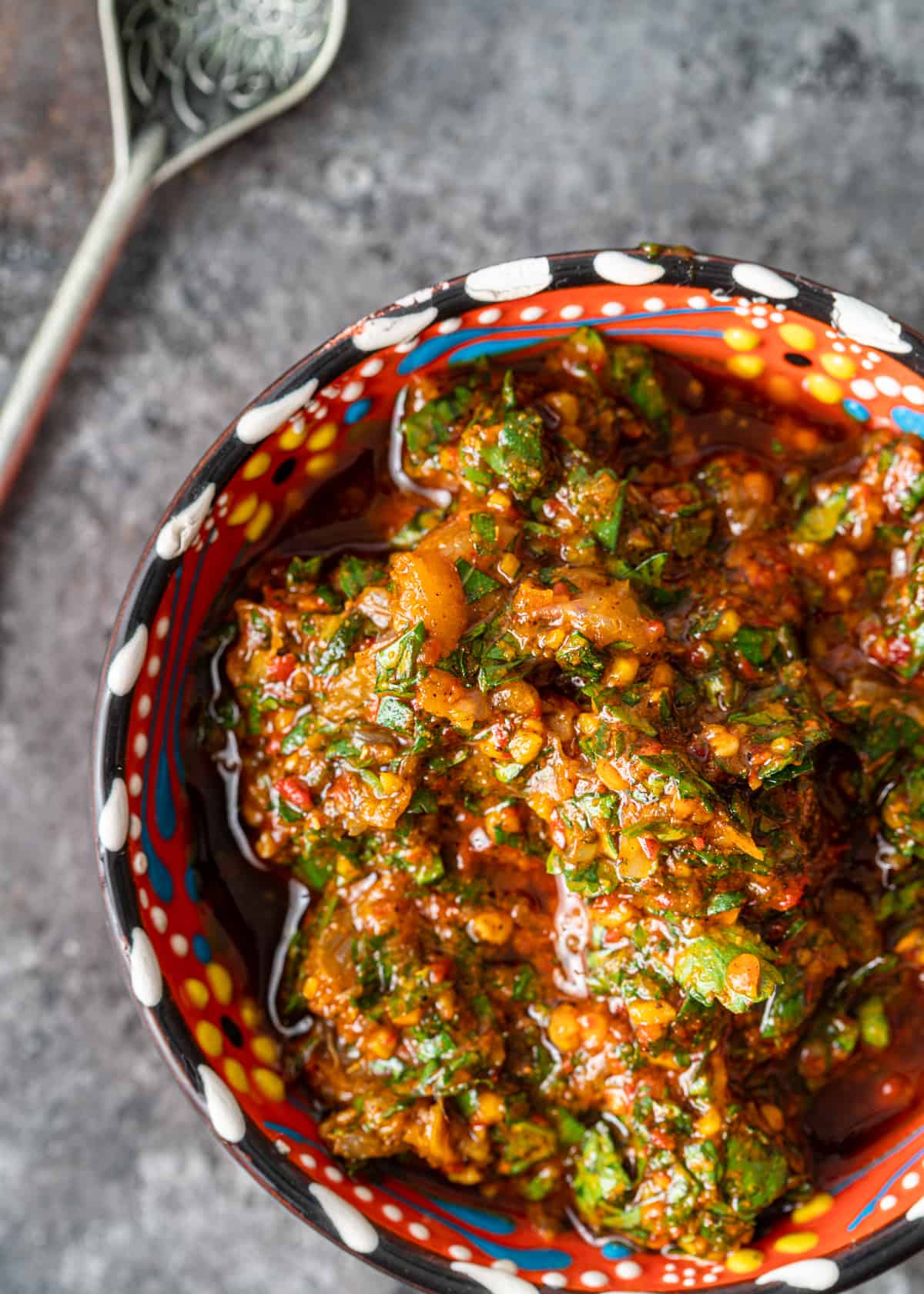
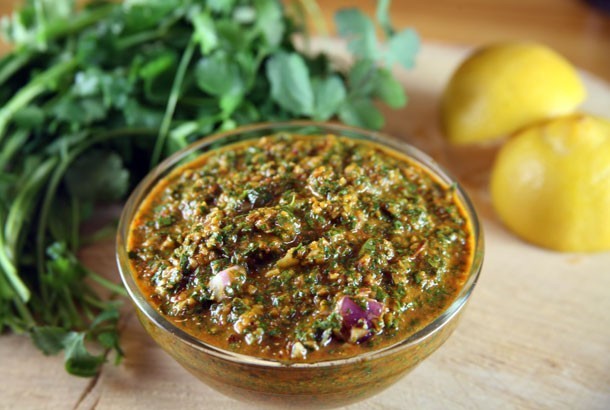
Unlike a creamy sauce, Chermoula has a fresh, herbaceous texture and a bright, tangy flavor. Its consistency can range from a finely chopped mixture to a smoother, spoonable sauce.
There are many family variations of Chermoula throughout Morocco. Some are mild and lemony, while others contain more garlic, paprika, or chili for a stronger flavor.
Why You’ll Love This Moroccan Chermoula Recipe
- 🇲🇦 A traditional Moroccan marinade packed with authentic flavor
- 🌿 Made with fresh cilantro and parsley
- 🍋 Brightened with fresh lemon juice
- 🧄 Full of delicious garlic and aromatic spices
- 🐟 Perfect for fish, seafood, and fish tagines
- 🍗 Delicious with chicken, meat, and vegetables
- ⏱️ Ready in about 10 minutes
- 🥣 Easy to prepare with simple ingredients
- 🌶️ Easily adjusted to your preferred level of heat
- 🫒 Naturally dairy-free and suitable for many dishes

Ingredients
1 large bunch of fresh cilantro, finely chopped
1 large bunch of fresh flat-leaf parsley, finely chopped
4 garlic cloves, finely minced
1 teaspoon ground cumin
1 teaspoon sweet paprika
½ teaspoon ground turmeric, optional
½ teaspoon salt, or to taste
¼ teaspoon freshly ground black pepper
½ teaspoon ground chili or cayenne pepper, optional
3 tablespoons fresh lemon juice
4 tablespoons extra-virgin olive oil
1 tablespoon water, if needed
Optional ingredients:
1 teaspoon finely chopped preserved lemon
1 tablespoon chopped fresh cilantro stems
A small pinch of cayenne pepper for extra heat
A little additional lemon juice for a tangier flavor
Traditional Chermoula recipes vary from one household to another. You can adjust the herbs, lemon, garlic, and spices to suit your taste.

Instructions
How to Make Moroccan Chermoula
This homemade Chermoula recipe requires only a few minutes of preparation. You can chop the ingredients by hand for a rustic texture or use a food processor for a finer consistency.
Step 1: Prepare the Fresh Herbs
Wash the cilantro and parsley thoroughly under cold running water.
Dry them well with a clean kitchen towel or salad spinner. Removing excess water helps keep the marinade flavorful and prevents it from becoming too diluted.
Remove any tough stems, then finely chop the herbs with a sharp knife.
For a more traditional texture, avoid turning the herbs into a completely smooth puree. Small pieces of cilantro and parsley give Chermoula its characteristic appearance.
Step 2: Add the Garlic and Spices
Place the chopped herbs in a medium-sized bowl.
Add the minced garlic, ground cumin, paprika, turmeric, salt, black pepper, and chili pepper if using.
Mix everything thoroughly so that the spices are evenly distributed throughout the herbs.
The cumin provides an earthy aroma, while paprika adds color and a mild sweetness. Garlic gives the marinade its savory depth.
Step 3: Add the Lemon Juice
Pour the fresh lemon juice over the herb mixture.
Stir well to combine.
The lemon adds brightness and balances the richness of the olive oil. It also complements the natural flavor of fish and seafood particularly well.
If you enjoy a more tangy marinade, add a little extra lemon juice.
Step 4: Pour in the Olive Oil
Add the olive oil and mix until the herbs are evenly coated.
The oil helps carry the flavors of the garlic and spices. It also makes the Chermoula easier to spread over fish, chicken, and vegetables.
If the mixture seems too thick, add a tablespoon of water and stir again.
The finished sauce should be moist and easy to spoon, but it should not be excessively watery.
Step 5: Taste and Adjust the Seasoning
Taste the Chermoula and adjust the ingredients as needed.
Add more lemon juice for acidity, more cumin for earthiness, or a little extra paprika for a richer flavor.
If you prefer a spicy marinade, add a small amount of cayenne pepper.
For an extra Moroccan touch, stir in finely chopped preserved lemon.
Step 6: Let the Flavors Develop
Although you can use Chermoula immediately, allowing it to rest for 10–15 minutes helps the flavors blend together.
During this time, the garlic, spices, lemon juice, and herbs become more harmonious.
Your homemade Moroccan Chermoula is now ready to use as a marinade, cooking sauce, or condiment.



Should You Blend Chermoula or Chop It by Hand?
Both methods work well. The best option depends on how you plan to use the sauce.
Traditional Chopped Chermoula
Finely chopping the herbs by hand creates a rustic mixture with visible pieces of cilantro and parsley.
This texture is excellent for rubbing onto fish, spooning over grilled vegetables, or serving alongside cooked dishes.
Food Processor Chermoula
For a quicker preparation, place the herbs, garlic, spices, lemon juice, and olive oil in a food processor.
Pulse several times until the ingredients are finely chopped and combined.
Avoid processing for too long. Otherwise, the herbs can become a watery puree, and the sauce may lose its fresh texture.
Tip: If you prefer a smoother sauce, add a little extra olive oil and pulse briefly until you reach your desired consistency.
How to Use Moroccan Chermoula
Chermoula is one of the most versatile preparations in Moroccan cooking. Its fresh herbs and bold spices make it suitable for many different ingredients.
Chermoula for Fish
Fish is one of the most traditional uses for Chermoula.
Spread the marinade over cleaned fish fillets or whole fish, making sure to coat both sides. If using whole fish, you can also place some of the mixture inside the cavity.
For a quick marinade, let the fish rest in the refrigerator for 15–30 minutes before cooking.
Then grill, bake, or cook the fish in a tagine according to your recipe.
Chermoula pairs particularly well with white fish, sea bass, sea bream, sardines, and other firm fish varieties.
For a complete Moroccan meal, try serving it with this Moroccan Fish Tagine.
Chermoula for Shrimp and Seafood
Chermoula adds wonderful flavor to shrimp, calamari, and other seafood.
Toss the seafood with a small amount of marinade before cooking. A short marinating time is usually sufficient because lemon juice can change the texture of delicate seafood if it sits for too long.
Grill or sauté the seafood until fully cooked, then finish with a little fresh lemon juice.
Chermoula for Chicken
Although it is most famous as a fish marinade, Chermoula is also delicious with chicken.
Rub the mixture over chicken thighs, drumsticks, or breast fillets. Cover and refrigerate for 30 minutes to 2 hours before cooking.
Grill, roast, or pan-cook the chicken until it is thoroughly cooked.
For a richer flavor, add a little extra olive oil and paprika.
Chermoula for Vegetables
Chermoula can transform simple vegetables into a flavorful side dish.
Toss cauliflower, carrots, zucchini, eggplant, or potatoes with a spoonful of the marinade before roasting.
You can also stir a little Chermoula into cooked vegetables just before serving.
However, avoid adding too much lemon juice to vegetables that will be roasted for a long time, as the flavor can become concentrated during cooking.
Chermoula for Potatoes
Moroccan-style potatoes are particularly delicious with garlic, cumin, paprika, and fresh herbs.
Boil or roast the potatoes until tender, then toss them with Chermoula while they are still warm.
Allow them to rest for a few minutes so they absorb the flavors.
Serve the potatoes warm or at room temperature as a side dish or part of a Moroccan salad spread.
Tips for Making the Best Moroccan Chermoula
Use Fresh Herbs
Fresh cilantro and parsley are the foundation of a good Chermoula.
Choose herbs with vibrant green leaves and a fresh aroma. Avoid wilted or yellowing bunches.
Wash and dry the herbs thoroughly before chopping.
Do Not Use Too Much Oil
Olive oil brings the ingredients together, but Chermoula should still taste fresh and herbaceous.
Start with the recommended amount and add more only if needed.
A mixture with too much oil may feel heavy and can overwhelm the delicate flavor of fish.
Balance the Lemon and Spices
Lemon juice provides brightness, while cumin and paprika create depth.
Taste the mixture before using it and adjust the seasoning according to the dish you are preparing.
For fish, a fresh and lemony Chermoula works particularly well. For chicken or roasted vegetables, you may prefer a little more paprika and garlic.
Chop the Herbs Finely
Finely chopped herbs distribute more evenly across fish and vegetables.
However, avoid blending them for too long if you want a traditional texture.
Let the Marinade Rest Briefly
A short resting period allows the garlic and spices to infuse the olive oil and lemon juice.
Ten to fifteen minutes is often enough for the flavors to develop.
Marinate for the Right Amount of Time
The ideal marinating time depends on the ingredient.
- Fish fillets: approximately 15–30 minutes
- Shrimp: approximately 10–15 minutes
- Chicken: approximately 30 minutes to 2 hours
- Firm vegetables: approximately 15–30 minutes
Keep marinating ingredients refrigerated. Do not leave raw fish, seafood, or chicken at room temperature for extended periods.
Common Chermoula Mistakes to Avoid
Using Wet Herbs
Excess water can dilute the marinade and make it difficult to coat ingredients evenly.
Dry the herbs thoroughly after washing.
Adding Too Much Garlic
Garlic is essential to Chermoula, but too much can overpower the fresh herbs and lemon.
Start with four cloves and adjust the amount according to your preference.
Over-Blending the Mixture
Over-processing can turn the herbs into a thin puree.
Use short pulses and stop once the ingredients are finely chopped.
Marinating Fish for Too Long
The acidity of lemon juice can alter the texture of fish before cooking.
For most fish fillets, a short marinating time is sufficient. Add some of the remaining sauce after cooking if you want a stronger fresh-herb flavor.
Forgetting to Taste the Sauce
The flavor of herbs, lemons, and garlic varies.
Taste your Chermoula before serving or marinating food. Adjust the salt, acidity, and spices as needed.
Moroccan Chermoula Variations
One of the best things about Chermoula is how easily you can adapt it.
Classic Moroccan Chermoula
The classic version combines cilantro, parsley, garlic, cumin, paprika, lemon juice, olive oil, salt, and pepper.
It is a versatile choice for fish, seafood, chicken, and vegetables.
Spicy Chermoula
For a hotter marinade, add cayenne pepper or finely chopped fresh chili.
Start with a small amount and increase it gradually until you reach your preferred level of heat.
Chermoula with Preserved Lemon
Preserved lemon adds a distinctive salty, citrusy flavor that works beautifully with Moroccan fish tagines.
Finely chop a small amount of preserved lemon and mix it into the prepared sauce.
Because preserved lemons are already salty, taste the mixture before adding extra salt.
Chermoula with Turmeric
Some versions include turmeric for extra color and a warm, earthy note.
The amount can be adjusted to suit your taste. A small quantity is usually enough.
Smooth Chermoula Sauce
If you prefer a smoother condiment, blend the ingredients briefly in a food processor.
Add olive oil gradually until the sauce reaches your preferred consistency.
This version is particularly useful for drizzling over grilled fish, roasted vegetables, or cooked potatoes.
How to Store Moroccan Chermoula
Fresh Chermoula is best when prepared shortly before serving, but you can make it ahead of time.
Refrigeration
Transfer the finished Chermoula to a clean, airtight container and refrigerate promptly.
For the best flavor and freshness, use it within 2–3 days.
Always use a clean spoon when taking sauce from the container. Discard it if it develops an unusual smell, appearance, or signs of spoilage.
Can You Freeze Chermoula?
Yes, Chermoula can be frozen.
For convenience, spoon small portions into an ice cube tray or freezer-safe container. Once frozen, transfer the portions to a sealed freezer bag or suitable container.
Use within approximately 2–3 months for the best quality.
After thawing in the refrigerator, stir the mixture well. The herbs may become softer, but the sauce will still work well for cooking.
Frequently Asked Questions
What is Moroccan Chermoula made of?
Moroccan Chermoula is commonly made with fresh cilantro, parsley, garlic, olive oil, lemon juice, cumin, paprika, salt, and pepper.
Some versions also include turmeric, chili, preserved lemon, or other seasonings.
Is Chermoula a sauce or a marinade?
It can be both.
Chermoula is traditionally used as a marinade for fish and seafood, but it can also be served as a condiment or spooned over cooked vegetables and grilled dishes.
Its consistency depends on how finely the herbs are chopped and how much olive oil and lemon juice are added.
Is Chermoula spicy?
Traditional Chermoula does not have to be spicy.
The basic recipe is aromatic and savory, with freshness from the herbs and lemon. Chili or cayenne pepper can be added if you prefer a hotter version.
Can I make Chermoula without cilantro?
Yes. You can make a parsley-forward version if you dislike cilantro.
However, cilantro is an important part of the flavor in many traditional Moroccan recipes. Replacing it will change the taste, but the result can still be delicious.
Can I use dried herbs instead of fresh herbs?
Fresh herbs are strongly recommended because they provide Chermoula’s characteristic fresh flavor and texture.
Dried herbs can be used in a pinch, but the result will be different. If using them, start with a small quantity and adjust the olive oil and liquid to create a suitable consistency.
How long should fish marinate in Chermoula?
For most fish fillets, 15–30 minutes in the refrigerator is a good starting point.
Very delicate fish may need less time. Avoid leaving fish in a lemon-based marinade for too long because the acidity can change its texture.
Can I prepare Chermoula the night before?
You can prepare it in advance, but the flavor and color are usually freshest when the sauce is made shortly before use.
If preparing it ahead, refrigerate it in a clean, airtight container and use it within 2–3 days.
Is Chermoula vegan?
Yes. This basic Chermoula recipe contains herbs, spices, olive oil, and lemon juice, so it is naturally vegan.
It is also dairy-free and can be used to flavor a wide range of plant-based dishes.
What is the difference between Chermoula and pesto?
Both are herb-based preparations, but their ingredients and flavors differ.
Chermoula typically includes cilantro, parsley, garlic, cumin, paprika, lemon juice, and olive oil. Pesto traditionally uses basil, garlic, nuts, hard cheese, and olive oil.
Chermoula has a distinctly Moroccan flavor profile and is especially popular with fish and seafood.
Nutrition Information
Approximate nutrition per serving, assuming the recipe makes about 8 small servings:
| Nutrient | Approximate amount |
|---|---|
| Calories | 65 kcal |
| Protein | 1 g |
| Carbohydrates | 2 g |
| Fat | 6 g |
| Saturated fat | 1 g |
| Fiber | 1 g |
| Sugar | Less than 1 g |
| Sodium | 150 mg |
These values are estimates and can vary depending on the amount of olive oil, herbs, salt, and lemon juice used. They refer to the Chermoula itself, not the fish, chicken, or vegetables served with it.
More Moroccan Recipes to Try
If you enjoy the fresh herbs and warm spices in this Moroccan Chermoula recipe, explore more traditional Moroccan dishes.
- Moroccan Fish Tagine – A flavorful fish dish prepared with Moroccan spices and aromatic Chermoula.
- Chicken with Olives and Preserved Lemons – A classic Moroccan dish featuring tender chicken, savory olives, and preserved lemon.
- Moroccan Msemen – Traditional layered Moroccan flatbread, delicious as part of a Moroccan meal. Try our Moroccan Msemen recipe.
- Moroccan Mint Tea – A refreshing traditional drink that completes a Moroccan meal. Discover our Moroccan mint tea recipe.
- Moroccan Zaalouk – A traditional eggplant and tomato salad seasoned with garlic, olive oil, and Moroccan spices.
Final Thoughts
Moroccan Chermoula is a simple yet essential recipe that brings the fresh, vibrant flavors of Morocco into your kitchen.
With cilantro, parsley, garlic, lemon juice, olive oil, and aromatic spices, this versatile marinade can transform everyday ingredients into something special.
Use it to prepare traditional Moroccan fish, season shrimp, marinate chicken, or add flavor to roasted vegetables and potatoes. You can also adjust the herbs, lemon, and spices to create a version that suits your taste.
Whether you are exploring Moroccan cooking for the first time or recreating the flavors of a traditional family kitchen, homemade Chermoula is a recipe worth keeping close at hand.
However, the secret to a great Chermoula is not complexity. It is the balance of fresh herbs, bright lemon, fragrant spices, and good olive oil.
Overall, this easy Moroccan Chermoula recipe is a delicious way to bring authentic Moroccan flavor to your everyday cooking. 🇲🇦🌿🍋



Leave a Reply