
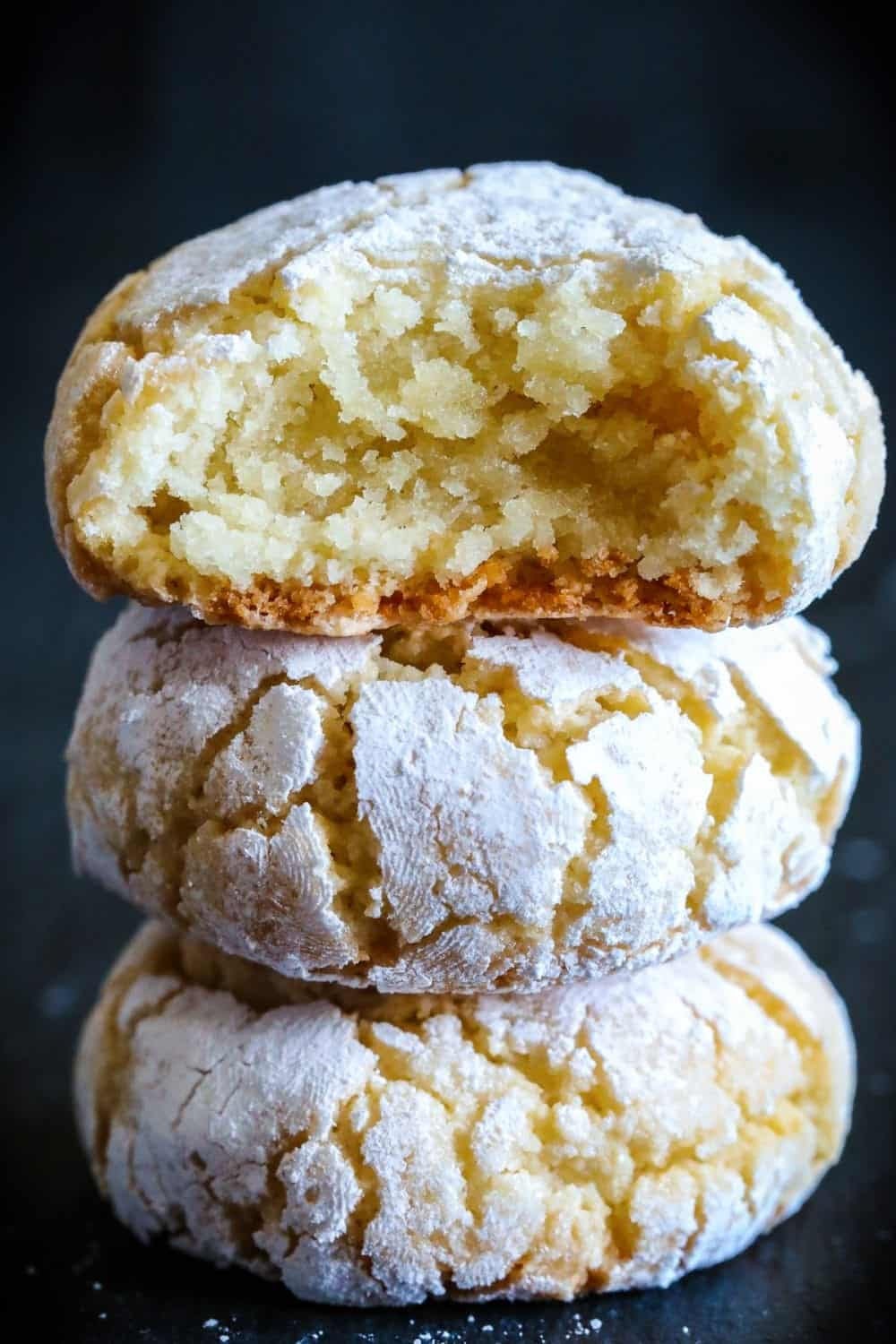
Coconut Ghriba is a delicious Moroccan cookie known for its delicate, crumbly texture and beautifully cracked surface. Made with shredded coconut, flour, sugar, eggs, and oil, these traditional Moroccan-style cookies are simple to prepare and full of flavor.
The combination of fragrant coconut and a lightly sweet dough gives Coconut Ghriba its distinctive taste. The outside develops a delicate golden color while the inside remains tender and crumbly.
Traditionally enjoyed with Moroccan mint tea, Ghriba cookies are perfect for family gatherings, celebrations, holidays, and afternoon tea. Whether you prepare them for a special occasion or simply want a homemade Moroccan treat, Coconut Ghriba is an easy and delicious choice.
What Is Moroccan Coconut Ghriba?
Coconut Ghriba is a Moroccan-style cookie made with shredded coconut, flour, sugar, eggs, and vegetable oil.
The dough is mixed until it becomes soft and easy to shape. Small portions are then formed into balls and arranged on a baking tray.
During baking, the cookies develop their characteristic cracked surface. This rustic appearance is one of the features that makes Ghriba cookies so recognizable.
Unlike soft cakes or chewy cookies, Coconut Ghriba has a delicate and crumbly texture. The coconut adds a pleasant texture and a rich, fragrant flavor.
The cookies are traditionally served with Moroccan mint tea, making them especially suitable for Moroccan hospitality and family gatherings.
Why You’ll Love This Coconut Ghriba Recipe
- 🇲🇦 A delicious Moroccan-style cookie
- 🥥 Full of fragrant coconut flavor
- 🍪 Soft and crumbly
- ✨ Naturally cracked on the surface
- 🍵 Perfect with Moroccan mint tea
- 🎉 Great for celebrations and family gatherings
- 👨🍳 Easy to prepare at home
- ❤️ Made with simple ingredients

Ingredients
For the Coconut Ghriba Dough
250 g shredded coconut
200 g all-purpose flour
150 g granulated sugar
2 large eggs
100 ml vegetable oil
1 teaspoon baking powder
1 teaspoon vanilla extract
½ teaspoon salt
1 tablespoon orange blossom water, optional
For Decoration
Powdered sugar, for coating
Additional shredded coconut, optional
A few coconut flakes, optional

Instructions
Prepare the Coconut Mixture
First, place the shredded coconut in a large mixing bowl.
Add the flour, sugar, baking powder, and salt.
Mix the dry ingredients thoroughly until the coconut is evenly distributed throughout the flour.
This helps ensure that every cookie has a balanced coconut flavor.
Add the Wet Ingredients
In a separate bowl, whisk the eggs lightly.
Add the vegetable oil and vanilla extract.
If you are using orange blossom water, add it at this stage as well.
Whisk until the ingredients are well combined.
Then, gradually pour the wet mixture into the bowl containing the coconut and flour.
Mix gently with a spoon or your hands until a soft dough forms.
The dough should hold together without being excessively wet.
However, avoid adding too much flour because this can make the finished cookies dry and hard.
Let the Dough Rest
Cover the dough and allow it to rest for about 10 to 15 minutes.
This short resting period allows the coconut and flour to absorb some of the moisture.
As a result, the dough becomes easier to shape.
After resting, check the consistency.
If the dough feels too soft, add a small amount of flour. If it feels too dry, add a tiny amount of oil.
Shape the Coconut Ghriba
Preheat the oven to 170°C (340°F).
Line a baking tray with parchment paper.
Take a small portion of dough and gently roll it between your hands to form a ball.
Repeat with the remaining dough.
Arrange the balls on the prepared baking tray, leaving a little space between them.
Do not flatten the cookies too much. Keeping them slightly rounded helps them develop their traditional appearance as they bake.
Coat the Cookies
Place some powdered sugar in a shallow bowl.
Roll each Coconut Ghriba gently in the powdered sugar until lightly coated.
The powdered sugar creates a beautiful finish and adds a delicate sweetness to the outside of the cookies.
You can also press a few coconut flakes onto the surface before baking if desired.
Create the Traditional Cracks
One of the most attractive characteristics of Ghriba cookies is their cracked surface.
As the cookies bake, the dough expands and the surface naturally splits.
Avoid pressing the dough too firmly when shaping the balls.
The cracks do not need to be perfectly uniform. In fact, the rustic appearance is part of the charm of traditional Ghriba.
Bake the Coconut Ghriba
Place the baking tray in the preheated oven.
Bake the cookies for approximately 12 to 18 minutes, depending on their size.
The cookies should remain relatively light in color.
The bottoms should become lightly golden while the tops develop their characteristic cracks.
However, do not overbake the cookies.
Overbaking can make Coconut Ghriba hard and dry instead of soft and crumbly.
Once baked, remove the tray from the oven.
Allow the cookies to cool on the baking tray for several minutes before transferring them to a serving plate.
Serve the Coconut Ghriba
Once the cookies have cooled completely, arrange them on a serving plate.
Serve them with a glass or pot of Moroccan mint tea for a traditional Moroccan tea-time experience.
Coconut Ghriba is also delicious with coffee or as part of a larger Moroccan dessert platter.
Whether you serve them during afternoon tea, a family gathering, Ramadan, Eid, or another celebration, these cookies make a beautiful homemade treat.




How to Serve Moroccan Coconut Ghriba
Coconut Ghriba is traditionally enjoyed as a sweet treat alongside Moroccan tea.
Its delicate texture and coconut flavor make it particularly delicious with a warm drink.
These cookies are perfect for:
- Moroccan family gatherings
- Afternoon tea
- Ramadan evenings
- Eid celebrations
- Weddings
- Special occasions
- Dessert platters
- Homemade gifts
- Coffee breaks
For a traditional Moroccan experience, serve the cookies with freshly prepared Moroccan mint tea.
Tips for Making the Best Coconut Ghriba
Use Good-Quality Coconut
The coconut is the main flavor in this recipe.
Therefore, use good-quality shredded coconut with a pleasant aroma.
If the coconut is very dry, the cookies may require slightly more moisture from the eggs or oil.
Don’t Add Too Much Flour
The dough should remain soft and easy to shape.
Adding too much flour can make the cookies dense and dry.
Add flour gradually if you need to adjust the consistency.
Don’t Overwork the Dough
Mix the dough only until the ingredients are combined.
Excessive mixing can affect the delicate texture of the cookies.
However, make sure there are no dry patches of flour remaining before shaping.
Let the Dough Rest
A short resting period allows the coconut and flour to absorb moisture.
This makes the dough easier to handle and can help produce a more consistent texture.
Don’t Overbake the Cookies
Coconut Ghriba should remain relatively light in color.
Remove the cookies from the oven once the bottoms are lightly golden and the tops have developed their characteristic cracks.
Overbaking can make them too hard.
Let the Cookies Cool
Freshly baked Ghriba can be fragile.
Allow them to cool on the baking tray for several minutes before moving them.
Once completely cooled, they will become easier to handle.
Why Does Coconut Ghriba Crack?
The characteristic cracks are one of the defining features of Ghriba cookies.
As the cookies bake, the dough expands.
The surface then begins to split, creating the rustic appearance associated with traditional Ghriba.
Several factors can affect the cracks, including the consistency of the dough, the amount of moisture, the amount of flour, and the oven temperature.
Therefore, do not worry if every cookie does not crack in exactly the same way.
The irregular appearance is part of the traditional charm.
Can I Make Coconut Ghriba Without Flour?
Yes, Coconut Ghriba can be adapted to use a flour-free mixture depending on the recipe.
However, the texture will be different from the version made with flour.
A flour-free coconut cookie tends to have a stronger coconut flavor and a softer or more delicate structure.
For the recipe in this article, flour helps give the cookies enough structure to hold their shape.
Can I Use Butter Instead of Oil?
Yes.
You can replace some or all of the vegetable oil with melted butter.
Butter gives the cookies a richer flavor.
Oil, on the other hand, can help keep the texture tender.
Using a combination of both can create a rich and delicate cookie.
Moroccan Coconut Ghriba Variations
Classic Coconut Ghriba
The classic version combines shredded coconut, flour, sugar, eggs, and oil.
It is simple, fragrant, and perfect with Moroccan mint tea.
Orange Blossom Coconut Ghriba
Add a small amount of orange blossom water for a delicate Moroccan aroma.
However, use it moderately because too much orange blossom water can overpower the coconut.
Chocolate Coconut Ghriba
Add a small amount of cocoa powder or chocolate chips to create a richer modern variation.
The combination of chocolate and coconut makes a delicious twist.
Almond Coconut Ghriba
Add finely chopped or ground almonds to the dough.
The almonds provide additional texture and a pleasant nutty flavor.
Lemon Coconut Ghriba
Add a little finely grated lemon zest to the dough.
The fresh citrus aroma creates a pleasant contrast with the sweetness of the coconut.
Individual Coconut Ghriba
Make smaller cookies for tea parties and celebrations.
Smaller Ghriba are particularly convenient when serving several different Moroccan desserts together.
Frequently Asked Questions
What is Coconut Ghriba?
Coconut Ghriba is a Moroccan-style cookie made with shredded coconut, flour, sugar, eggs, and fat such as oil or butter.
It is known for its delicate crumbly texture and naturally cracked surface.
What makes Ghriba cookies crack?
The cracks develop as the cookie dough expands during baking.
The consistency of the dough and the oven temperature can affect how pronounced the cracks become.
Why is my Coconut Ghriba too dry?
The cookies may become dry if too much flour is added or if they are baked for too long.
Therefore, measure the flour carefully and remove the cookies from the oven once they are lightly golden.
Why didn’t my Coconut Ghriba crack?
The dough may have been too dry, too wet, or overly compacted during shaping.
The oven temperature can also affect how the cookies expand.
Try shaping the dough gently and avoid pressing the balls too firmly.
Can I use sweetened coconut?
Yes, but you should reduce the amount of sugar in the recipe if you use sweetened coconut.
Otherwise, the finished cookies may become excessively sweet.
Can I prepare Coconut Ghriba ahead of time?
Yes.
Coconut Ghriba is an excellent make-ahead cookie.
Once completely cooled, store the cookies in an airtight container at room temperature.
How long does Coconut Ghriba last?
When stored properly in an airtight container in a cool, dry place, the cookies can remain delicious for several days.
Their dry, crumbly texture makes them particularly suitable for preparing ahead of celebrations and gatherings.
Is Coconut Ghriba served during Ramadan?
Yes.
Ghriba cookies are commonly enjoyed during Moroccan tea-time traditions.
They can be served during Ramadan, Eid, family gatherings, and other special occasions.
Nutrition Information
Approximate nutrition per serving:
- Calories: 140–170 kcal
- Protein: 2–3 g
- Carbohydrates: 20 g
- Fat: 7–9 g
- Saturated Fat: 5–6 g
- Fiber: 2 g
- Sugar: 10–12 g
- Sodium: 40–60 mg
Nutrition information is an estimate and can vary depending on the size of the cookies and the exact amounts of coconut, flour, sugar, eggs, and oil used.
More Moroccan Recipes to Try
If you enjoyed these Coconut Ghriba cookies, you can also try other traditional Moroccan recipes.
Moroccan Fekkas
A crunchy twice-baked Moroccan cookie traditionally prepared with almonds, anise, sesame seeds, and orange blossom water.
Moroccan Chebakia
A beautifully shaped Moroccan pastry coated with honey and sesame seeds, especially popular during Ramadan.
Moroccan Seffa
Steamed Moroccan vermicelli or couscous decorated with powdered sugar, cinnamon, raisins, and almonds.
Moroccan Mint Tea
The perfect drink to serve alongside Coconut Ghriba and other traditional Moroccan pastries.
Sellou
A rich Moroccan specialty made with roasted flour, almonds, sesame seeds, honey, and aromatic spices.
Final Thoughts
Coconut Ghriba is a delicious example of how simple ingredients can create a beautiful Moroccan-inspired cookie.
The combination of coconut, flour, sugar, eggs, and oil creates a delicate texture and fragrant flavor.
Its cracked surface gives each cookie a rustic appearance, while the powdered sugar adds a beautiful finishing touch.
Whether you prepare Coconut Ghriba for Eid, Ramadan, a family gathering, afternoon tea, or simply to enjoy at home, these cookies are an easy way to bring Moroccan-inspired flavors to your table.
However, the cookies do not need to look perfectly uniform. Their rustic cracks and delicate shape are part of what makes Ghriba so charming.
Overall, Coconut Ghriba is a simple, fragrant, and delicious cookie that is perfect for sharing. Serve it with freshly prepared Moroccan mint tea and enjoy a beautiful homemade treat. 🇲🇦🥥🍪🍵
Leave a Reply